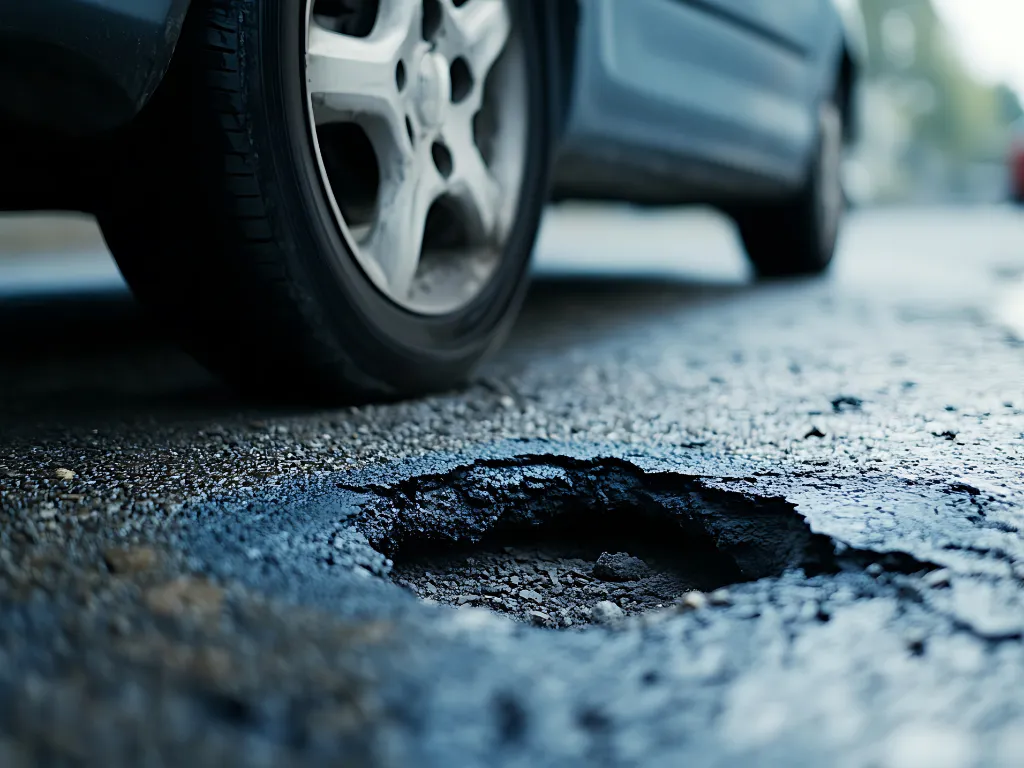
Property owners across Canada often ask how long does asphalt last when planning a new driveway, parking lot, or access road. Harsh winters, freeze-thaw cycles, and varying traffic loads make durability a serious concern. Asphalt remains a popular surface because it balances flexibility, cost, and performance, especially in colder climates. Understanding lifespan expectations helps you plan maintenance, schedule asphalt repair, and decide when resurfacing or replacement makes sense. With proper paving practices and consistent care, asphalt can remain reliable for many years while maintaining safety and appearance. These factors are especially important for homeowners and businesses trying to control long-term infrastructure costs.
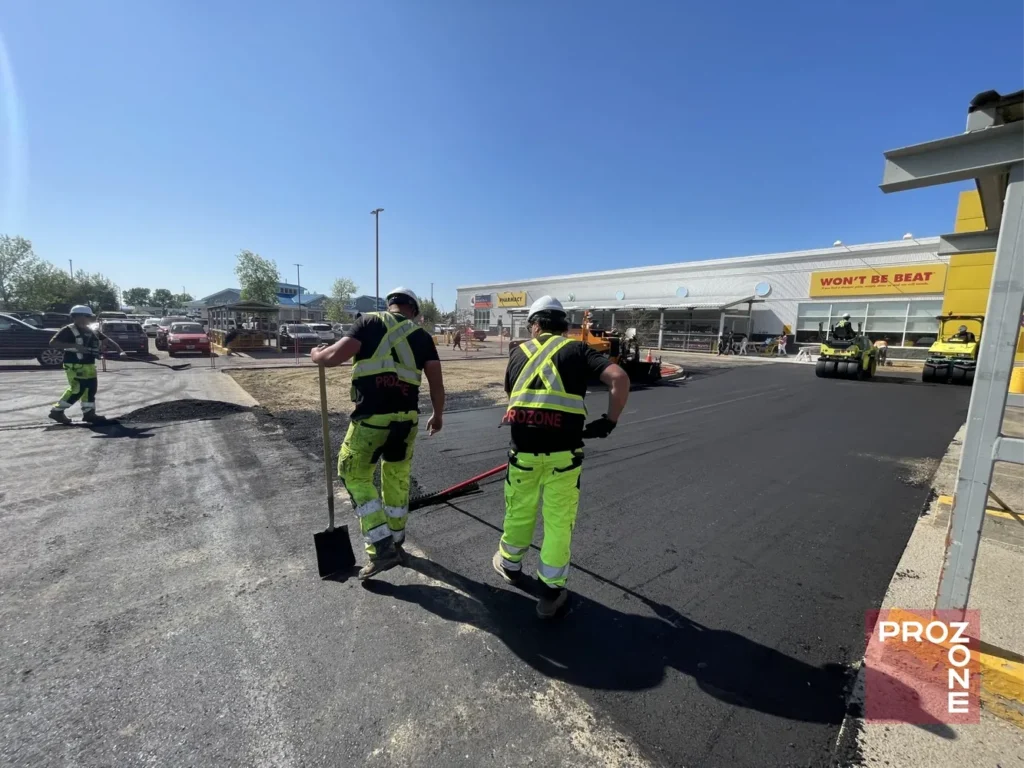
Table of contents
What is the average lifespan of asphalt?
In Canadian conditions, the average asphalt surface lasts between 15 and 20 years, depending on use and care. Residential driveways usually reach the higher end of that range due to lighter traffic, while commercial areas may see shorter lifespans. Climate plays a major role, as repeated freezing and thawing stresses the surface over time. Quality paving methods, including proper base preparation and compaction, directly affect longevity. Timely asphalt repair prevents small cracks from turning into potholes and helps the surface reach its full expected lifespan without premature failure. Regular inspections also make it easier to catch early warning signs before damage spreads.
Why freeze-thaw cycles matter so much
Cold winters and hot summers cause asphalt to expand and contract repeatedly. This movement is normal, but without maintenance, it accelerates surface wear and structural fatigue over time. Moisture entering small cracks during winter often becomes the main trigger for long-term deterioration.
Which lasts longer, concrete or asphalt?
Concrete typically lasts longer than asphalt, often exceeding 30 years, but longevity is not the only factor to consider. Asphalt performs better in cold regions because it flexes instead of cracking under frost pressure. While concrete may outlast it on paper, asphalt repair is usually faster, less disruptive, and more affordable. Many Canadian property owners prefer asphalt because paving repairs can be completed quickly and adjusted as conditions change. Over time, this flexibility makes asphalt a practical choice despite its shorter lifespan compared to concrete surfaces. Cost efficiency over decades often outweighs the difference in raw durability.
How often does asphalt need to be replaced?
Replacement timing depends on traffic load, drainage, and maintenance history. Well-maintained surfaces may not need replacement for two decades, while neglected ones fail much sooner. Regular inspections, sealcoating, and asphalt repair every few years significantly delay replacement. In many cases, resurfacing restores strength without full removal, extending service life efficiently. Strategic paving decisions focus on prevention rather than reaction, helping owners avoid sudden failures. Knowing how long does asphalt last in your specific setting allows for proactive budgeting and smarter long-term planning. This approach also minimizes downtime for driveways and parking areas.
Repair versus replacement
If damage is limited to the surface, repairs or overlays often solve the problem. Structural base failure, however, usually means full replacement is unavoidable. Surface-level issues such as minor cracking, raveling, or shallow potholes can often be addressed with targeted asphalt repair to restore performance and appearance. When the foundation is compromised by water intrusion or long-term load stress, repairs become temporary fixes. In these cases, replacement ensures long-term stability, safety, and better overall value.
Is asphalt permanent?
Asphalt is not permanent, but it is designed to be renewable. With proper care, surfaces can be restored multiple times through resurfacing and targeted asphalt repair. This adaptability is a major advantage in regions with extreme weather. Paving systems that include good drainage, edge support, and routine maintenance age more gracefully over time. While asphalt will eventually need replacement, its ability to be renewed makes it a long-term solution rather than a short-term fix, especially for Canadian driveways and parking areas. This renewability helps property owners spread costs across many years instead of facing sudden full replacements.