
Potholes form quickly in freeze thaw climates, making them a persistent challenge for communities across Canada. Understanding how to repair pothole damage correctly is essential for maintaining safe roads, reducing long term vehicle wear, and protecting municipal budgets. Effective repairs depend on method, material choice, weather, and proper preparation. This guide combines best practices from modern road construction, traditional methods, and expert recommendations to help you choose the right approach. Whether using asphalt or concrete, durable outcomes depend on understanding why potholes form and how repairs bond to the surrounding surface.
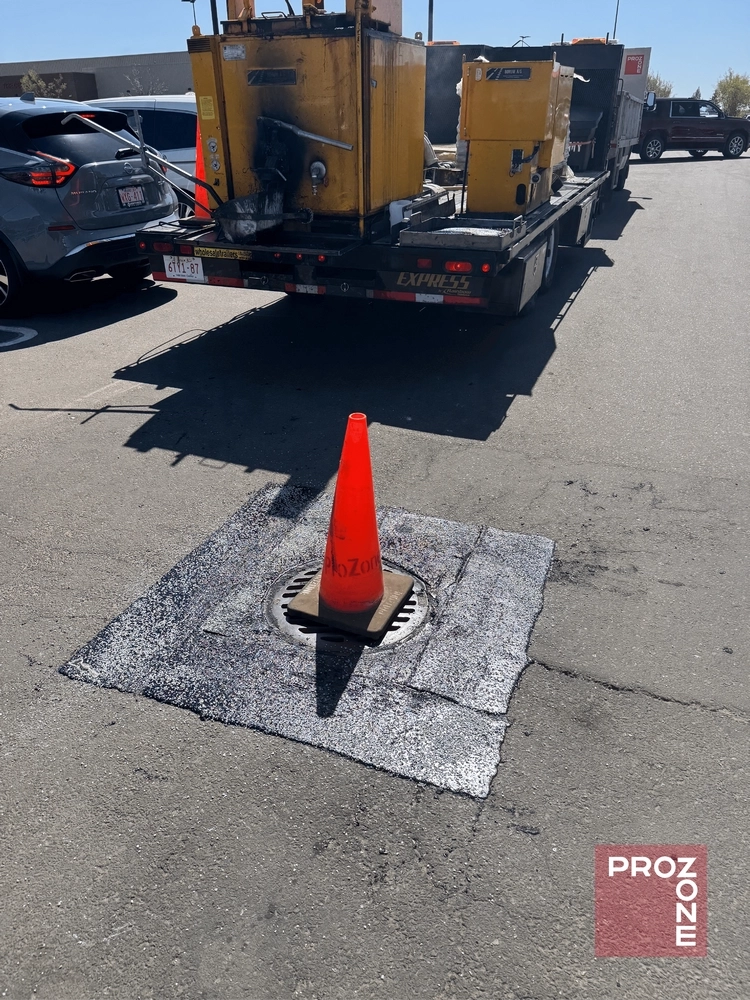
Table of contents
What is the best way to repair a pothole?
The best approach to how to repair pothole damage depends on climate conditions, traffic load, and material availability. In most Canadian regions, long lasting results come from hot mix asphalt or concrete patching because these methods create strong bonds with existing pavement. Modern infrared technology is also widely used in road construction, as it reheats surrounding asphalt to create seamless repairs. This technique minimizes material waste and reduces environmental impact. Regardless of method, proper compaction, cleaning, and surface preparation are essential for a repair that can withstand freeze thaw cycles.
Why preparation determines durability
Preparation is the foundation of every successful repair. Clearing debris, drying the cavity, and ensuring a clean bonding surface help prevent future cracking. These steps mirror best practices used in road construction, where long term durability depends on layering and compaction quality. When paired with high grade asphalt or concrete, proper preparation dramatically increases repair lifespan.
Can you repair a pothole yourself?
It is possible to learn how to repair pothole damage on a small residential driveway using cold patch materials or premixed concrete blends. These DIY options are simple, widely available, and useful for quick fixes. However, they rarely match the strength of repairs performed with professional road construction equipment. Homeowners who choose DIY patching should understand that cold mix solutions may last only a season, especially in areas exposed to snow, moisture, or heavy vehicles. For deeper structural failures, professional intervention is always the safer and more cost effective long term choice.
Can I legally fix a pothole?
In Canada, private individuals generally cannot repair potholes on public roads due to safety regulations, liability, and road construction standards. These repairs require certified crews trained in traffic control and proper application of asphalt or concrete materials. Attempting to fix a public pothole without authorization can create new hazards, void insurance protections, or lead to fines. However, homeowners may legally repair potholes on private driveways or privately maintained laneways. If you are unsure whether a roadway is municipally controlled, contact your local public works office before deciding how to repair pothole issues.
What is the best material to fill potholes with?
Choosing the right material is one of the most important steps in learning how to repair pothole damage. Hot mix asphalt remains the gold standard for most road construction applications because it offers durability, flexibility, and strong adhesion. In colder months, cold mix asphalt provides a temporary alternative when hot mix is unavailable. For industrial sites, sidewalks, or areas transitioning from asphalt to hardscape, concrete is sometimes preferred due to its compressive strength. Modern methods such as infrared repair recycle existing material, reducing waste and blending old and new asphalt for seamless, long lasting results.
Matching material to conditions
The best material depends on weather, traffic, and long term goals. High traffic corridors benefit from hot mix asphalt, while sidewalks and loading zones may require concrete patches. Municipalities often combine both approaches to optimize safety and cost efficiency across their road construction networks.