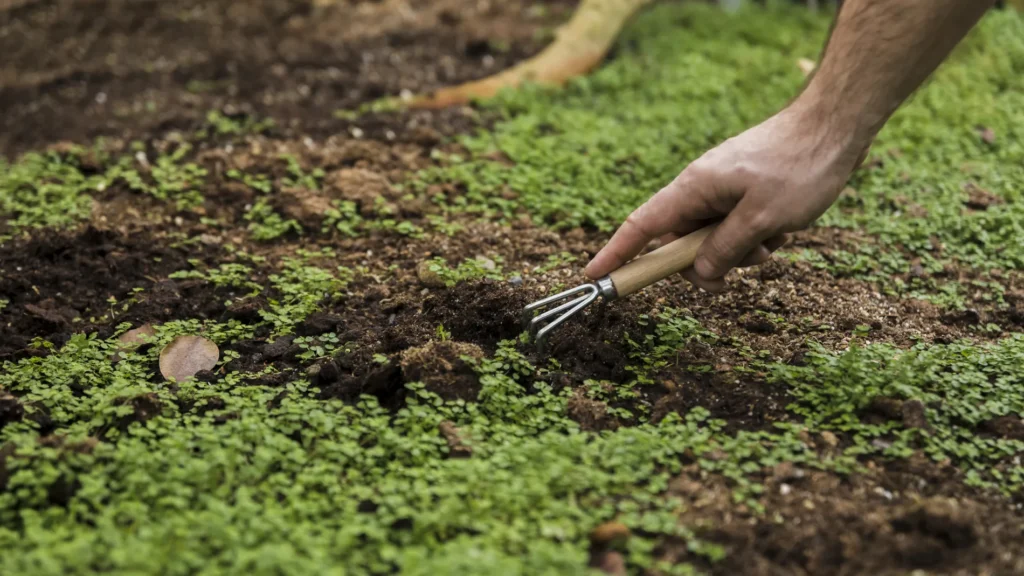
Spring is a season of renewal, and for homeowners across Canada it often brings the question of planting grass seed in spring. After a long winter, lawns can look thin, compacted, or patchy, making early-season care especially important. With the right timing, soil preparation, and expectations, spring seeding can deliver solid results even in a challenging climate. Understanding temperature, moisture, and competition from weeds helps you decide how to approach lawn care and when to visit a trusted landscape supplies center for the right materials and advice.
Table of contents
Can you plant grass seed in the spring in Canada?
Yes, planting grass seed in spring is absolutely possible in Canada, but success depends on conditions rather than the calendar. Cool-season grasses common in Canada need soil temperatures of around 15°C to germinate properly, which usually happens once snow has melted and the ground has dried slightly. Early spring often brings natural moisture from melting snow, which helps seeds establish. However, patience is key, as cold nights can slow progress and uneven warming can cause patchy results if seeding is rushed too early.
Understanding soil temperature and moisture
Soil warmth matters more than air temperature when it comes to germination. Using a simple thermometer can prevent wasted effort and help ensure consistent results. In most Canadian regions, soil reaches the ideal range later than many homeowners expect, even when daytime temperatures feel mild. Moisture levels should also be balanced, because overly wet spring soil can compact easily and limit oxygen around new roots. Waiting for soil to be slightly damp rather than saturated helps young grass establish stronger root systems.
Is spring the best time to plant grass seed?
While planting grass seed in spring works, it is not always considered the ideal option in Canada. Fall typically offers better conditions because weeds grow more slowly and soil stays warm longer. In spring, young seedlings must compete with aggressive weed growth and may face sudden dry spells. That said, spring seeding is often necessary after winter damage, construction, or heavy traffic. Choosing quality grass seed and proper soil amendments from a reliable landscape supplies center greatly improves the odds of success.
When to seed a lawn in fall in Canada?
Fall seeding usually takes place from mid-August to early September in most Canadian regions. During this period, soil temperatures remain warm while air temperatures cool, creating ideal conditions for root development. Fall-seeded lawns often emerge stronger in spring with fewer weed problems. Even if you focus on planting grass seed in spring, understanding fall timing helps with long-term planning. Many homeowners combine spring overseeding with a more thorough fall program using premium grass seed blends suited to their region.
Why fall conditions support deeper root growth
Cool nights reduce stress on seedlings while warm soil encourages steady root expansion. Weed pressure is also significantly lower, allowing grass to establish without heavy competition. Shorter daylight hours help slow top growth so the plant can focus energy below the surface. Fall moisture levels are usually more consistent, reducing the need for frequent irrigation. This combination results in stronger root systems that are better prepared for winter dormancy and spring regrowth.