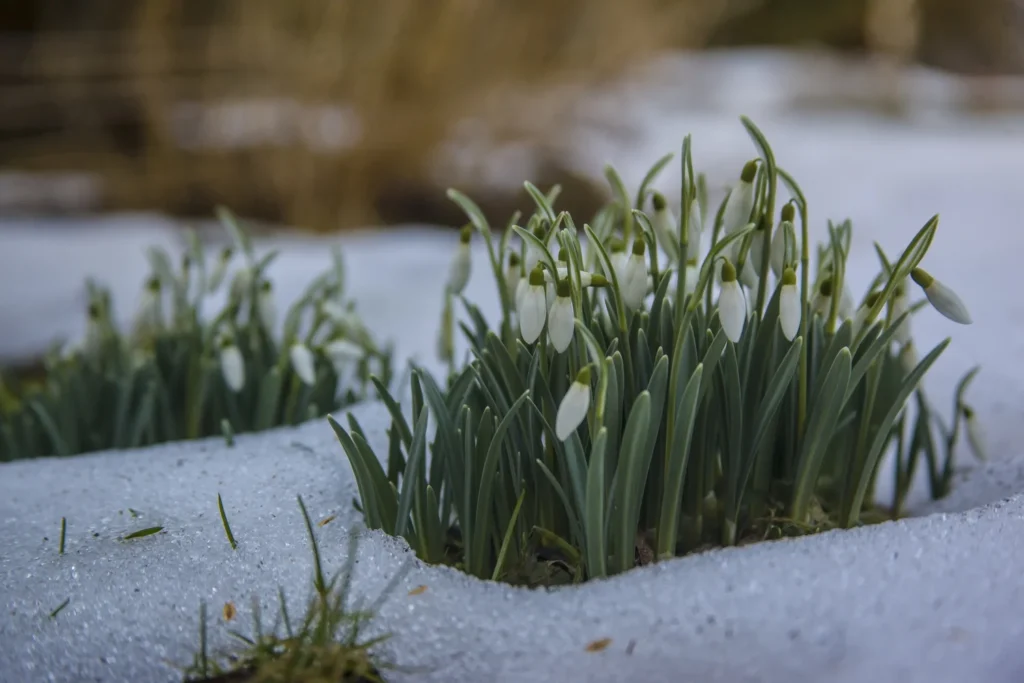
Many homeowners ask can you plant grass seed in the winter when lawns thin out and bare patches appear after fall. While winter may seem like the wrong season, colder months can actually offer a strategic opportunity known as dormant seeding. This approach relies on natural freeze and thaw cycles to position seed for early spring germination. Success depends on temperature, moisture, and preparation, along with using the right materials often found at a trusted landscape supplies center and pairing them with reliable winter supplies. Understanding how winter conditions affect seed behavior helps set realistic expectations for spring results.
Table of contents
Will seeds germinate if too cold?
Grass seed will not actively germinate when soil temperatures are too low, which is central to understanding can you plant grass seed in the winter. Instead, seeds remain dormant until conditions improve. Dormant seeding works best when soil stays consistently cold, preventing premature sprouting that could be damaged by frost. Once spring arrives and soil temperatures rise, seeds already in place begin growing quickly. Many gardeners rely on guidance from a landscape supplies center to select seed blends suited for this process. This delayed germination often results in stronger early root development.
Why dormancy can be an advantage
Dormancy protects seeds during harsh months and reduces competition from weeds. Snow cover and consistent moisture help keep seeds in place. With the support of proper winter supplies, seeds settle naturally into the soil and are ready to grow as soon as conditions improve. This head start can lead to faster lawn establishment compared to spring seeding alone.
What temperature kills seeds?
Most grass seed is resilient and not easily killed by cold alone. When asking can you plant grass seed in the winter, it is important to know that freezing temperatures typically do not destroy viable seed. Problems occur when seeds germinate during warm spells and then experience a sudden freeze. This is why consistent cold is preferable to fluctuating conditions. Using straw coverings and other winter supplies helps buffer temperature swings and protect seed from wind and wildlife. Stable winter conditions allow seed to survive until spring without loss of viability.
How do you know when seeds have gone bad?
Seed viability declines over time due to moisture, heat, and improper storage, not cold soil. Even when exploring can you plant grass seed in the winter, quality seed remains essential. Old seed may show poor germination rates or uneven growth. A simple test involves placing seeds on a damp paper towel indoors to see how many sprout. Buying fresh seed from a reputable landscape supplies center reduces the risk of planting ineffective material and improves overall results. Proper storage before planting is just as important as timing.
Can I plant grass seed if it freezes at night?
Yes, night freezes do not automatically prevent success, which is why many still ask can you plant grass seed in the winter. The key factor is daytime soil temperature stability rather than overnight air temperatures. As long as the ground is not repeatedly thawing and refreezing, seed can remain dormant safely. Consistent moisture and light soil coverage help keep seed in place. Many gardeners combine guidance from a landscape supplies center with essential winter supplies to improve protection and positioning. Monitoring short-term weather patterns can further reduce risk.
How winter preparation improves results
Raking debris, lightly loosening soil, and applying seed evenly improves soil contact before winter sets in. These steps help natural freeze and thaw cycles work the seed into the surface. When combined with winter supplies like straw or erosion blankets, preparation increases the chance of even spring germination. Good preparation often matters more than exact timing.