
TL;DR:
- Cost-saving construction strategies focus on reducing expenses while maintaining quality and efficiency. Implementing AI-assisted estimating, value engineering, lean workflows, and disciplined procurement together leads to better project outcomes than using these methods individually.
Cost-saving construction strategies are methods specifically designed to reduce project expenses while maintaining quality and efficiency. In 2026, Canadian construction professionals face compounding pressures: tariff-driven material cost volatility, labour shortages, and tightening regulatory requirements under Alberta Safety Codes. The most effective approach combines AI-assisted estimating, value engineering, lean construction workflows, and disciplined procurement. Projects that apply these methods together consistently outperform those that treat each tactic in isolation.
1. How AI and digital tools reduce planning and administrative costs
AI automation delivers measurable savings across two categories: office payroll and project scheduling. AI tools cut office payroll costs by 10%–25% annually by handling repetitive tasks like daily reporting, invoice processing, and document management. That reduction frees project managers to focus on decisions that require human judgement.
Scheduling and estimating improve at a similar rate. AI-supported project management reduces planning and scheduling time by 30%–40%, and cost estimating time by 20%–40%. Faster estimates mean fewer delays between design approval and procurement, which matters when material prices shift weekly.
Building Information Modelling (BIM), when paired with AI, adds another layer of savings. BIM creates a shared 3D model of the project that all trades work from, and AI tools scan that model for clashes before construction begins. Catching a conflict between mechanical and structural elements in the model costs a fraction of what it costs to fix on site. The 3D technology applications in modern construction show how data-driven coordination reduces rework across complex projects.
90% of Canadian construction leaders say AI and BIM are essential for productivity, but gains depend on workforce training. Buying software without training staff produces no return.
Key benefits of AI and digital tools in construction:
- Automated daily reports and site photo analysis reduce admin hours
- Predictive scheduling flags delays before they affect the critical path
- AI-assisted cost estimating improves bid accuracy and reduces contingency padding
- BIM clash detection eliminates costly rework during construction
- Centralised document management reduces errors from outdated drawings
Pro Tip: Integrate AI tools into platforms your team already uses, such as project management software, rather than introducing standalone apps. Adoption rates are significantly higher when the tool fits existing workflows.
2. Value engineering and early contractor involvement
Value engineering is the process of auditing design elements for cost-efficiency before breaking ground. It is not about cutting quality. It is about identifying where the design spends money without adding structural or functional value. Early value engineering reduces redesigns, change orders, and delays, which are three of the most expensive events in any construction project.
Involving the general contractor during the design phase, a practice called Early Contractor Involvement (ECI), produces the most reliable budget outcomes. Contractors identify constructability issues that designers miss, such as a foundation detail that requires specialist equipment not available locally. Fixing that detail on paper costs hours. Fixing it on site costs weeks and significant dollars.
Common value engineering tactics include:
- Substituting specified materials with code-compliant equivalents that cost less
- Simplifying structural connections to reduce fabrication and installation time
- Standardising window and door sizes to use stock units rather than custom orders
- Reducing floor-to-floor heights where ceiling clearance requirements permit
- Consolidating mechanical and electrical runs to shorten material lengths
Pro Tip: Schedule a formal design review with your builder at the 30% and 60% design completion stages. Reviews at these milestones catch the most expensive issues before drawings are finalised.
For a structured approach to pre-construction planning, the project planning guide for contractors covers the sequencing decisions that protect budgets from the start.
3. How lean construction methodology improves cost efficiency
Lean construction is a project delivery philosophy built around predictable workflows, not simply cutting costs. The core principle is that waste, defined as any activity that consumes resources without adding value, is the primary driver of cost overruns. Identifying and eliminating waste before it happens is more effective than managing it after the fact.
Pull planning is the central lean tool. In a pull planning session, all trade contractors work backwards from the project completion date to define what each trade needs from the previous one to start on time. Lean construction savings come primarily from improved communication through pull planning rather than from cutting material budgets. That distinction matters because it means lean savings are available on almost every project, regardless of material costs.
Lean practitioners find that collaborative pull planning sessions reduce rework and idle time across trades. Trade stacking, where multiple subcontractors compete for the same space on the same day, is one of the most common and avoidable sources of delay. Pull planning eliminates it by creating a shared, visible schedule that all trades commit to.
Lean construction benefits that directly reduce building costs:
- Pull planning prevents trade conflicts and reduces idle time on site
- Last Planner System (a lean scheduling method) improves weekly work plan reliability
- Visual management boards give all trades real-time visibility into schedule status
- Structured handoffs between trades reduce defects and rework
- Regular constraint removal meetings address blockers before they delay work
4. Procurement and material management strategies
Locking material prices early is the single most effective way to manage cost volatility in 2026. Price locking and escalation clauses in contracts protect project budgets when tariff-driven cost increases hit mid-project. An escalation clause defines the conditions under which a supplier can adjust pricing, giving both parties a clear framework rather than a dispute.
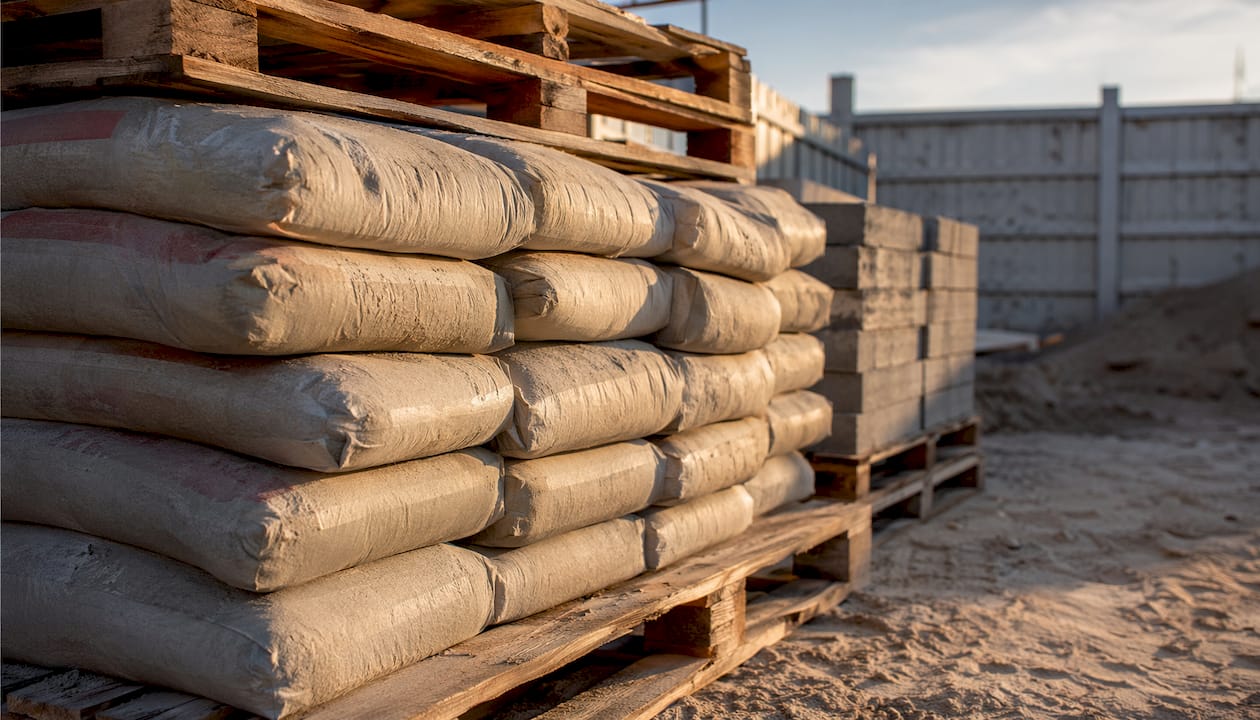
Bulk purchasing and strategic vendor relationships produce consistent savings on high-volume materials like concrete, aggregate, and asphalt. Suppliers offer better pricing to clients who commit to volume and pay on time. Building those relationships before a project starts, rather than during procurement, gives project managers more negotiating leverage.
Site theft is an underestimated budget risk. Unsecured sites lose materials and equipment that are rarely fully recovered through insurance claims alone. Physical security measures, including fencing, lighting, and access control, reduce losses and lower insurance premiums over time.
| Procurement approach | Cost impact | Key consideration |
|---|---|---|
| Early price locking | Protects against tariff increases | Requires accurate early quantity take-offs |
| Escalation clauses | Limits exposure to mid-project price spikes | Must be clearly defined in contract terms |
| Bulk purchasing | Reduces unit cost on high-volume materials | Requires storage space and cash flow planning |
| Strategic vendor selection | Improves pricing and delivery reliability | Relationship-building takes time before project start |
| Site theft prevention | Reduces uninsured losses | Upfront security cost offsets larger potential losses |
For guidance on material selection and compliance in Alberta, the material supply cost strategies resource covers procurement decisions specific to the region.
5. How to manage risk and contingencies cost-effectively
Contingency budgeting is not optional on projects exposed to tariff volatility. Project managers should budget 12%–15% contingency for projects where material costs are subject to trade policy changes. That range is higher than the traditional 5%–10% rule of thumb, and it reflects the current reality of Canadian construction economics.
Builders risk insurance covers theft, fire, storm damage, and construction defects during the build period. A single fire, theft, or storm can add $100,000–$500,000 or more to project costs. Insurance transfers that financial risk to the insurer, protecting the project budget from catastrophic single events.
Soft costs coverage addresses a less obvious risk: the financial impact of project delays. When a delay pushes completion past a lease start date or a municipal deadline, the resulting costs, including carrying costs, penalties, and lost revenue, can exceed the cost of the physical damage that caused the delay. Soft costs coverage protects against these secondary financial impacts.
Key insurance types and risk transfer methods for construction projects:
- Builders risk insurance: covers physical loss or damage during construction
- General liability insurance: protects against third-party bodily injury and property damage claims
- Professional liability insurance: covers errors in design or project management advice
- Soft costs coverage: addresses financial losses from project delays beyond physical damage
- Subcontractor default insurance: protects against the financial impact of a subcontractor failing to perform
Modern construction costs are shaped more by labour availability, regulatory complexity, and trade policies than by inflation alone. Risk management that accounts for all three factors produces more accurate contingency budgets.
What working on Edmonton projects taught me about cost control
The strategies in this article work. The problem is that most project managers apply them selectively rather than together. A team that adopts lean scheduling but ignores early contractor involvement will still generate expensive change orders. A team that locks material prices but skips contingency planning will be exposed the moment a freeze-thaw cycle damages freshly poured concrete in october.
Alberta’s climate adds a layer of risk that project managers from other provinces consistently underestimate. Edmonton’s freeze-thaw cycles, which can shift dramatically between seasons and even within a single week in spring, affect concrete curing times, asphalt compaction windows, and earthworks scheduling. Cutting corners on material quality to save money upfront produces failures that cost multiples of the original saving to repair.
The most reliable cost control I have seen comes from combining three things: quality materials specified to Alberta conditions, professional contractors who understand Alberta Safety Codes compliance, and a contingency budget sized for real-world volatility rather than optimistic assumptions. Projects that treat these as non-negotiable consistently finish closer to budget than those that treat them as variables to reduce.
— Prozoneltd
Prozoneltd’s construction services for Edmonton project managers
Prozoneltd delivers construction and infrastructure maintenance services across Edmonton and the surrounding region, with a direct focus on the cost control priorities that matter to project managers. Every project follows Alberta Safety Codes compliance standards, and materials are specified for Alberta’s freeze-thaw conditions rather than generic specifications. From site preparation services that protect your schedule from ground condition surprises, to concrete, asphalt, and earthworks executed by certified crews, Prozoneltd supports budget control at every phase. Review the full range of construction services for Edmonton managers or contact Prozoneltd directly through the online form for a free project estimate.
FAQ
What are cost-saving construction strategies?
Cost-saving construction strategies are methods that reduce project expenses while maintaining quality and schedule performance. They include AI-assisted estimating, value engineering, lean construction workflows, strategic procurement, and disciplined risk management.
How much can AI tools save on construction project costs?
AI automation can reduce office payroll costs by 10%–25% and cut planning and scheduling time by 30%–40%. Savings depend on how well the tools are integrated into existing workflows and whether staff are trained to use them.
What contingency budget should I set for a 2026 construction project?
Projects exposed to tariff volatility and shifting material costs should carry a 12%–15% contingency budget. This is higher than the traditional 5%–10% range and reflects current Canadian construction market conditions.
What is value engineering in construction?
Value engineering is the process of reviewing design elements before construction begins to identify where cost can be reduced without compromising function or code compliance. It is most effective when the general contractor is involved during the design phase.
How does lean construction reduce building costs?
Lean construction reduces costs primarily through pull planning, which aligns all trades to a shared schedule and eliminates idle time and rework. Most lean savings come from communication improvements rather than material budget cuts.