
TL;DR:
- Summer is the ideal time for Edmonton property owners to address exterior repairs and safety checks before cold weather strikes. Regular maintenance of HVAC, landscaping, and exterior surfaces helps prevent costly damages and preserves property value. Proper planning and documentation ensure a cost-effective, region-specific approach to seasonal property upkeep.
A summer maintenance checklist is a structured list of seasonal tasks that protect your property’s structural integrity, safety, and curb appeal during peak heat months. For Edmonton homeowners and property managers, this list carries extra weight. Alberta’s freeze-thaw cycles leave behind hidden damage every spring, and summer is the window to find it, fix it, and document it before fall arrives. Skipping documented checks is the leading cause of warranty claim denial for roofing, siding, and HVAC systems. Acting early costs far less than reacting late.
1. Summer maintenance checklist: HVAC and cooling systems
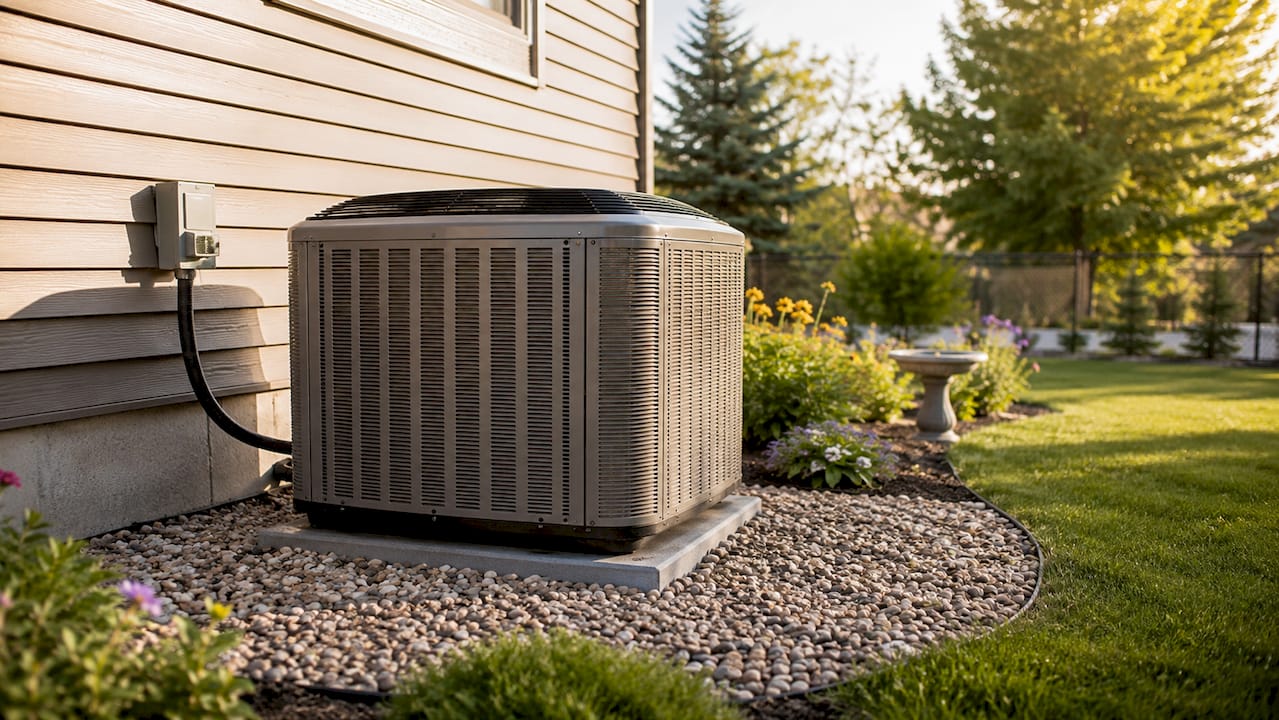
HVAC maintenance is the highest-priority item on any property maintenance checklist. A neglected air conditioning unit works harder, fails sooner, and costs more to run during Edmonton’s hottest weeks in july and august.
Key tasks:
- Schedule a professional A/C service in late may or early june. Professional A/C servicing typically costs $100–$200 and covers refrigerant levels, coil cleaning, and electrical connections.
- Replace or clean air filters monthly during peak cooling season. A clogged filter reduces airflow and forces the compressor to overwork.
- Clean dryer vents annually. Dryer vent cleaning runs $100–$150 professionally and directly reduces fire risk.
- Inspect attic ventilation. Poor attic airflow traps heat above living spaces, raises cooling costs, and accelerates shingle degradation.
- Check condensate drain lines on central A/C units for algae blockages. A blocked drain causes water backup and potential ceiling damage.
Pro Tip: Book your HVAC technician in april or early may. Demand spikes in june, and wait times can stretch to two weeks during the first heat wave.
Document every service call with the date, technician name, and work completed. This record supports warranty claims and adds credibility during a property sale or audit.
2. Lawn and garden care for summer health and curb appeal
Lawn care is one of the most visible parts of warm weather home care, and it directly affects property value. The right watering and mowing habits make the difference between a lawn that thrives and one that burns out by mid-july.
- Water deeply and infrequently. Water lawns 2.5 cm weekly in a single early-morning session. Morning watering minimises evaporation and reduces fungal disease risk.
- Set mower blades to 7–8 cm. Mowing grass too short weakens roots and promotes disease. Taller grass shades the soil and retains moisture longer.
- Weed before they seed. Pull weeds after rain when soil is soft. Weeds that go to seed multiply exponentially within one season.
- Prune dead or diseased branches. Remove dead wood from trees and shrubs in early summer. Diseased branches spread pathogens to healthy growth if left in place.
- Apply mulch around beds. A 5–8 cm layer of organic mulch retains soil moisture, moderates temperature, and suppresses weeds through the hottest months.
- Use integrated pest management (IPM). IPM combines physical removal, biological controls, and targeted low-toxicity treatments. Alberta pests like aphids, cutworms, and sod webworms respond well to IPM before populations establish.
- Check permit requirements for larger projects. Building permits may be required for decks over 1 metre high, retaining walls, or sheds over 10 m². Confirm with your municipality before breaking ground.
Neglected lawns and gardens do more than look poor. Overgrown vegetation traps moisture against foundations, attracts pests, and can void landscaping warranties. For Alberta commercial properties, the stakes are higher because curb appeal directly affects tenant retention and asset valuation.
Pro Tip: Water between 5:00 AM and 9:00 AM. Watering in the afternoon loses up to 30% of moisture to evaporation before it reaches roots.
3. Inspecting and caring for exterior surfaces and structures
Exterior surfaces take the hardest punishment during Edmonton summers. UV exposure, temperature swings, and residual freeze-thaw damage from spring all accelerate deterioration if left unaddressed.
Siding and paint:
- Clean siding with a solution matched to the material. Vinyl siding tolerates a mild detergent and water rinse. Wood siding requires gentler treatment to avoid grain damage.
- Inspect painted wood surfaces for peeling, bubbling, or fading. Bare wood exposed to summer UV absorbs moisture and rots faster than painted surfaces.
- Touch up or repaint damaged areas before fall. Paint applied in warm, dry conditions bonds better and lasts longer.
Decks and patios:
Professional deck and patio washing costs $200–$400 depending on property scale. That investment removes mould, algae, and embedded grime that degrade surface integrity over time. After washing, inspect boards for rot, loose fasteners, and structural movement at the ledger board connection.
Concrete and hardscapes:
| Surface type | Common summer issue | Recommended action |
|---|---|---|
| Concrete driveways | Hairline cracks from freeze-thaw | Fill with polyurethane sealant; reseal surface |
| Interlocking pavers | Shifted or sunken sections | Re-level and re-sand joints |
| Asphalt surfaces | Oxidation and surface cracking | Apply crack filler; seal coat if oxidised |
| Concrete walkways | Drainage slope loss | Regrade adjacent soil; patch low spots |
Prozoneltd’s concrete maintenance resources provide detailed guidance on identifying crack types and selecting the right repair method for Edmonton’s climate.
Caulking and joint sealing:
Removing old failed caulk fully before resealing is non-negotiable. Applying new caulk over deteriorated material traps moisture and accelerates rot behind the surface. Use a utility knife or oscillating tool to cut out old caulk completely, clean the joint, and apply a high-quality exterior-grade sealant rated for Canadian temperature ranges.
4. Safety and preventive checks every homeowner must complete
Preventive safety checks protect occupants and reduce the risk of expensive emergency repairs. Proactive summer checks on foundations, sealants, and drainage systems prevent moisture intrusion that causes structural failure in fall and winter.
Safety inspection checklist:
- Smoke and carbon monoxide detectors. Test every unit monthly. Replace batteries at the start of summer and again in the fall.
- Door hinges and locks. Lubricate with a dry lubricant or light machine oil. Stiff hardware wears faster and signals potential security vulnerabilities.
- Foundation grading. The ground around your foundation should slope away at a minimum of 6 cm over the first 3 metres. Flat or inward-sloping grade channels water toward the foundation wall.
- Gutters and downspouts. Clean gutters in late spring after tree seed and debris fall. A $75 gutter cleaning can prevent up to $5,000 in structural water damage. That ratio makes it one of the highest-return maintenance tasks on the list.
- Early signs of structural issues. Small cracks or moisture accumulation rarely stay minor. Inspect basement walls, window wells, and crawl spaces for new staining or efflorescence (white mineral deposits that indicate water movement through concrete).
- Exterior lighting. Test all outdoor fixtures. Summer storms and power fluctuations can damage ballasts and LED drivers without visible signs.
Pro Tip: Walk your property perimeter after the first heavy summer rain. Water pooling within 1 metre of the foundation is a drainage problem that needs correction before freeze-thaw cycles begin again in september.
Maintain a written or digital maintenance log for every task completed. A log recording date, task, cost, and technician name strengthens property value and provides defensible documentation during insurance claims or audits.
5. How to organise a summer maintenance schedule and keep records
A structured schedule turns a seasonal home maintenance plan from a good intention into a completed project. Without scheduling, high-priority tasks get deferred until they become emergencies.
- Prioritise by risk and cost. HVAC, foundation drainage, and roof condition carry the highest consequence if neglected. Schedule these first, in may and june, before peak heat arrives.
- Group tasks by trade. Combine electrical, plumbing, and mechanical inspections into a single contractor visit where possible. This reduces scheduling friction and often lowers total cost.
- Use digital reminders. Calendar apps, property management platforms, or simple spreadsheet trackers all work. The tool matters less than the habit of setting recurring annual reminders for each task.
- Coordinate around occupancy. For rental properties, schedule interior inspections during tenant turnover or with proper notice. Exterior work can proceed independently.
- Plan for fall transition. Edmonton’s freeze-thaw season begins as early as late september. Schedule caulking, grading corrections, and concrete sealing to complete before the first frost. Tasks left for october often get skipped entirely.
Pro Tip: Keep a single maintenance folder, physical or digital, with receipts, photos, and technician reports. This folder becomes a selling asset when you list the property and a reference point for your Edmonton property management decisions year over year.
A preventive maintenance plan tailored to Edmonton’s climate accounts for the specific timing windows that Alberta’s weather creates. Generic national checklists miss these regional details.
Why Edmonton’s climate makes summer maintenance non-negotiable
Edmonton’s freeze-thaw cycle is more aggressive than most Canadian cities experience. Temperatures can swing from below freezing in april to above 30°C by july, and back again in september. That thermal range stresses every material on a property, from concrete and asphalt to caulking and wood framing.
The common misunderstanding is that summer is a low-maintenance period. The reality is the opposite. Summer is the only window wide enough to complete exterior repairs, concrete work, and landscaping projects before cold temperatures close those options. Waiting until fall to address a cracked driveway or failed sealant means waiting until next summer, and paying for the damage that accumulates in between.
The “inspect-to-protect” mindset is the most cost-effective approach available. Addressing minor issues early prevents the compounding structural problems that define expensive repair seasons. A $200 concrete crack repair in june costs far less than a $4,000 slab replacement after two more freeze-thaw cycles have widened that crack into a structural failure.
Balancing DIY and professional services is also worth thinking through carefully. Homeowners can handle gutter cleaning, lawn care, and basic caulking. Concrete repair, HVAC servicing, and foundation grading corrections belong with certified professionals who carry liability coverage and understand Alberta Safety Codes requirements.
— ProZone
Prozoneltd’s summer maintenance services for Edmonton properties
Prozoneltd delivers certified construction and infrastructure maintenance services across Edmonton and the surrounding region. The team handles concrete screeds, asphalt repair, earthworks, exterior surface restoration, and landscaping material supply, all aligned with Alberta Safety Codes and regional climate standards. Whether you manage a single residential property or a commercial portfolio, Prozoneltd’s crews bring the equipment, materials, and documentation practices that protect your investment through every season. Request a free estimate through the Edmonton construction services page or contact ProZone directly to schedule a site assessment before the summer window closes.
FAQ
What is a summer maintenance checklist?
A summer maintenance checklist is a structured list of seasonal property tasks covering HVAC, exterior surfaces, landscaping, and safety systems. Its purpose is to protect property integrity and prevent costly repairs before fall and winter arrive.
How often should gutters be cleaned in Edmonton?
Clean gutters at least twice per year, in late spring and early fall. A single cleaning costs around $75 and can prevent up to $5,000 in structural water damage.
Do I need a permit for summer landscaping projects in Edmonton?
Permits are required for decks over 1 metre high, retaining walls above a certain height, and sheds over 10 m². Confirm specific thresholds with the City of Edmonton before starting any major outdoor project.
Why does caulking fail so quickly in Alberta?
Alberta’s wide temperature range causes caulking materials to expand and contract repeatedly, breaking the bond over time. Applying new caulk over old failed material traps moisture and accelerates deterioration. Full removal and reapplication with a high-quality exterior sealant is the correct repair method.
How does a maintenance log help property managers?
A maintenance log recording dates, tasks, costs, and technician details strengthens property value, supports warranty claims, and provides defensible documentation during insurance audits or property sales.