
For Edmonton lawns, cold-hardy Kentucky bluegrass and shade-friendly fine fescue blends are the two sod types worth your money. Kentucky bluegrass tolerates winter lows down to about -35 degrees Celsius when properly winterised, making it the standard for sunny, high-traffic lawns across Zone 4a. Fine fescue, including creeping red fescue, handles shade and drought with far less fertiliser and mowing than bluegrass demands. Sod also beats seed on speed. Sodded lawns are usable within weeks, while seeded bluegrass can take a full season to fill in because of slow germination.
Here is the short list for anyone comparing sod types Edmonton properties actually need:
- Kentucky bluegrass: the default for front lawns, parks, and any high-traffic sunny site, provided you buy a named cold-hardy cultivar.
- Fine fescue (including creeping red fescue): the right call for shaded yards, boulevards under mature trees, and low-input lawns.
- Tall fescue: a drought-tolerant option for properties with limited irrigation.
- Perennial ryegrass: useful for quick repairs and athletic wear, but rarely a standalone Edmonton lawn.
- 50/50 bluegrass-fescue blends: the practical compromise for mixed-sun yards that see both full sun and partial shade through the day.
ProZone supplies and installs sod across Edmonton and area, and the cultivar choice you make now determines whether that lawn survives its first prairie winter or needs replacing by June.
Table of Contents
- Sod types Edmonton properties should compare at a glance
- Kentucky bluegrass: why it is the standard in Edmonton
- Fine fescue and creeping red fescue: shade and low-maintenance options
- Tall fescue and perennial ryegrass: drought tolerance and fast repair
- Blends and sod mixes that work in Edmonton
- Sod versus seed in Edmonton: when to choose sod
- Soil preparation, topsoil, and watering schedule for new sod
- Winter care and common problems in Edmonton lawns
- Local cultivar and sourcing notes for Edmonton buyers
- Environmental impact and sustainability considerations of sod choices
- ProZone’s perspective on installing sod in Edmonton
- Hire ProZone or order sod and topsoil locally
- Sources
- FAQ
Sod types Edmonton properties should compare at a glance
Choosing between sod types for Edmonton conditions comes down to five practical questions: how cold-hardy is it, how much shade can it take, how little water can it survive on, how well does it handle foot traffic, and how fast does it establish. The table below lines up the four main species along with common blends against those criteria.
| Sod type | Cold hardiness | Shade tolerance | Drought tolerance | Traffic durability | Establishment speed | Maintenance level | Best use |
|---|---|---|---|---|---|---|---|
| Kentucky bluegrass (cold-hardy cultivars) | Excellent, survives to about -35°C | Poor to fair | Fair, needs regular watering | Excellent, self-repairs via rhizomes | Fast as sod, slow from seed | Moderate to high | Front lawns, high-traffic sunny areas |
| Fine fescue / creeping red fescue | Very good | Excellent | Very good | Fair | Moderate | Low | Shaded yards, low-input lawns |
| Tall fescue | Good | Fair to good | Excellent | Good | Moderate | Low to moderate | Water-conscious, low-maintenance sites |
| Perennial ryegrass | Fair, risk of winterkill | Poor | Fair | Excellent short-term | Very fast | Moderate | Repair patches, temporary athletic wear |
| 50/50 bluegrass-fescue blend | Very good | Good | Good | Good | Fast as sod | Moderate | Mixed sun/shade residential lots |
A few trade-offs matter more than the rest of the table once you are standing in your own yard:
- Cold hardiness and shade tolerance pull in opposite directions. Bluegrass wins on winter survival and wear, fescue wins under trees, which is why most Edmonton properties end up with a blend or two separate zones.
- Sod establishes in weeks; seed can take a season. If you need a usable lawn before the next school year or a commercial opening date, sod removes the guesswork.
- Perennial ryegrass fixes a bald patch fast but is not a long-term Edmonton strategy on its own. It needs a hardier partner species to survive a serious cold snap.
Kentucky bluegrass: why it is the standard in Edmonton
Kentucky bluegrass is the benchmark for high-quality, high-traffic turf in Edmonton, but only when the sod or seed carries a named cold-hardy cultivar. Generic “Kentucky bluegrass” labels without a variety name are a red flag, not a guarantee.
The species earns its reputation through two traits. First, properly winterised stands survive down to roughly -35 degrees Celsius which covers most typical Edmonton winter lows. Second, bluegrass spreads by rhizomes, underground stems that let it fill in bare or worn patches on its own. That self-repair is why municipal fields and busy residential lawns lean on it so heavily.
The catch is germination speed. Bluegrass seed is notoriously slow to establish, which matters in a growing season that runs roughly May through September. A slow start leaves bare soil exposed to erosion and weed invasion for weeks longer than a faster species would.
For Edmonton sod or seed purchases, look for these cold-hardy cultivars by name:
- Midnight
- Nugget
- Kenblue
- Rugby II
- Baron
Pro Tip: If you are seeding rather than sodding, mix Kentucky bluegrass with a faster-establishing companion like creeping red fescue to hold the soil while the bluegrass catches up. If timing, erosion control, or site quality is a concern, skip seed entirely and lay sod.
Fine fescue and creeping red fescue: shade and low-maintenance options
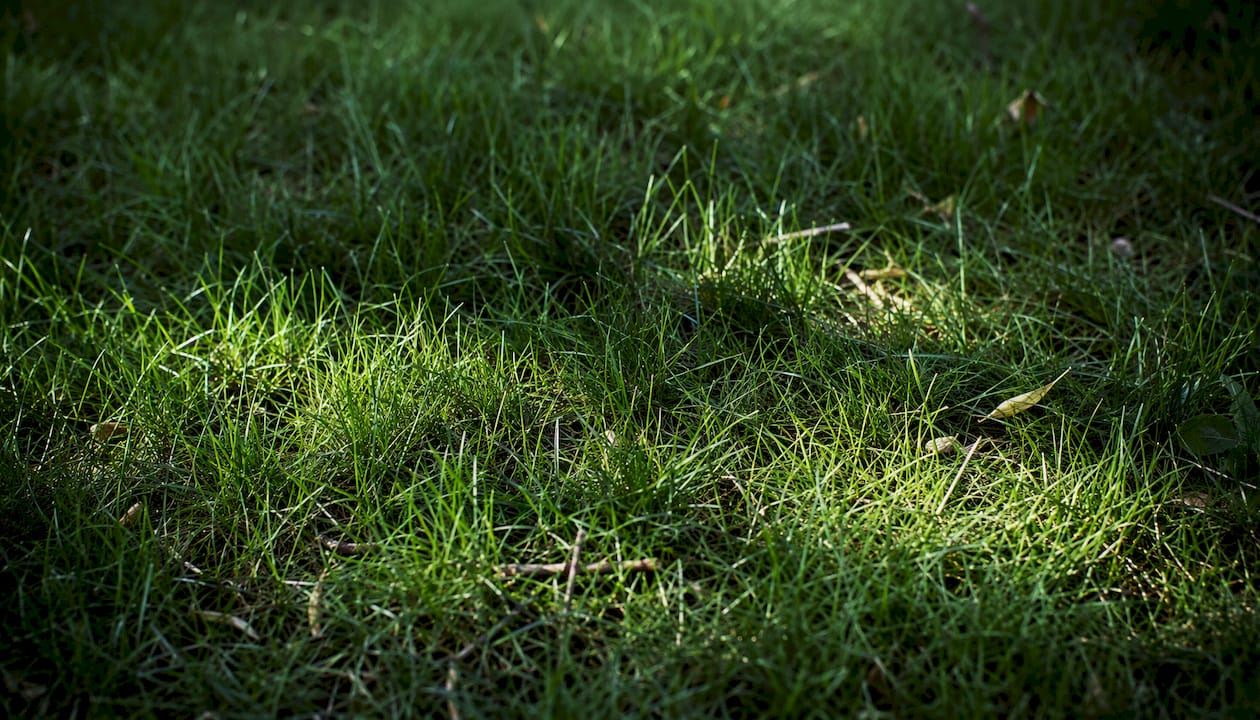
Fine fescue is the go-to choice wherever an Edmonton lawn sits under mature trees or gets less than four hours of direct sun a day. It tolerates shade far better than bluegrass and needs less fertiliser and less frequent mowing to stay healthy.
Three subtypes show up in local blends, each suited to a slightly different exposure. Hard fescue handles poor soil and minimal irrigation. Chewings fescue forms a dense, fine-bladed turf that suits ornamental lawns. Creeping red fescue spreads more aggressively and fills gaps under partial shade, which makes it the workhorse in most Alberta bluegrass-fescue blends.
Mowing height matters more with fine fescue than with bluegrass. Cutting it too short stresses the plant and thins the stand, so most Edmonton lawn care guidance recommends keeping fine fescue on the taller end of the mowing range. It also handles drought stress noticeably better than bluegrass, going dormant and recovering rather than dying outright.
Pro Tip: Buy a labelled shade mix rather than a generic all-purpose bag. Edmonton’s own park programs lean on hard fescue and creeping red fescue in shaded municipal spaces because that combination balances durability with minimal upkeep, and there is no reason a residential shade bed should settle for less.
Tall fescue and perennial ryegrass: drought tolerance and fast repair
Tall fescue and perennial ryegrass solve two different problems, and neither should be mistaken for a full replacement of bluegrass in Edmonton.
Tall fescue’s deep root system gives it strong drought tolerance and better heat resistance than Kentucky bluegrass, which suits properties running on limited or no irrigation. It handles moderate traffic and needs less fertiliser to hold its colour through a dry August.
Perennial ryegrass germinates fast, often within a week, which makes it the standard choice for overseeding bare patches or repairing worn athletic turf mid season. That speed comes at a cost. Ryegrass is less winter-hardy than bluegrass or fescue and can winterkill during a severe prairie cold spell if it is not blended with a hardier species.
Practical use cases break down like this:
- Tall fescue suits water-conscious properties, boulevards, and commercial sites where irrigation budgets are tight.
- Perennial ryegrass suits quick spot repairs, high-wear paths, and nurse-crop roles in fresh seed mixes.
- Neither should be the sole species on a lawn expected to survive an Edmonton winter unassisted.
Blends and sod mixes that work in Edmonton
A well-labelled 50/50 blend of Kentucky bluegrass and creeping red fescue, or a purpose-built shade mix, is usually the smarter buy for a yard with mixed sun exposure. Alberta turf guidance points to this ratio specifically because it improves establishment and compatibility across different sun and soil conditions on the same property.
Before you buy sod or a seed blend, check three things on the label or with the supplier. Confirm the species proportions are actually stated, not just “premium blend.” Confirm the cultivar names are listed, not just the species. Confirm there is a germination guarantee or an establishment guarantee behind the product.
Watch for two red flags. A bag or roll labelled simply “Kentucky bluegrass” with no cultivar name is often older, non-hardy stock. And any mix leaning on warm-season grasses common in southern climates has no place in Edmonton. Those species will not survive a Zone 4a winter regardless of how green they look on the pallet.
Sod versus seed in Edmonton: when to choose sod
Choose sod when you need instant cover, immediate usability, or when Edmonton’s short spring window makes seeding a gamble. Seed can work, but it demands a longer commitment and a higher risk tolerance for weather.
Edmonton’s frost-free growing season runs roughly May to September, which leaves a narrow margin for seed to germinate, establish, and harden off before fall frost. Kentucky bluegrass seed germinates slowly enough that professionals routinely recommend sod instead when timing is tight.
A practical Edmonton timeline looks like this:
- Late spring window (mid May to mid June): soil has warmed, frost risk has dropped, ideal for both sod and seed.
- Late summer window (mid August to early September): cooler nights and residual soil warmth suit sod especially well, with less watering stress than midsummer.
- First 48 hours after laying sod: water thoroughly to establish soil contact; check root knit by gently tugging a corner after a week.
- Avoid: laying sod or seeding after mid September, since roots need time to establish before hard frost.
Sod costs more per square metre than seed, but it earns that premium back through reduced erosion, fewer weeds, and a fully usable lawn in weeks instead of a full season. For commercial sites or any property manager working against a deadline, that trade-off usually settles the decision on its own.
Soil preparation, topsoil, and watering schedule for new sod
Good soil and correct initial watering decide whether new sod survives its first Edmonton winter, more than the species choice itself. Skip this step and even the hardiest Kentucky bluegrass cultivar can fail.
Soil preparation checklist:
- Test soil pH and amend if it falls well outside the neutral range turf grasses prefer.
- Grade the site so water drains away from foundations and low spots do not pool.
- Compact lightly, then loosen the top few centimetres so roots can penetrate.
- Apply a starter fertiliser higher in phosphorus where soil tests indicate a deficiency, to support root development.
- Match the sod’s grown soil type to your site soil where possible to help the two bond.
Topsoil specification matters more than most homeowners realise. Aim for a screened topsoil layer with a loamy texture that new roots can penetrate quickly. Heavy, clay-grown sod laid over a light seed bed often struggles to knit, which is one of the quieter causes of sod failure on Edmonton properties. Sound erosion control and quality topsoil reduce that failure risk considerably on sloped or disturbed sites.
Watering schedule for new sod:
- Weeks 1 to 2: water lightly but frequently, enough to keep the top few centimetres of soil and the sod itself consistently moist, without pooling.
- Weeks 3 to 4: begin transitioning to deeper, less frequent watering to push roots downward.
- Weeks 5 to 8: water deeply once or twice a week depending on rainfall, encouraging deep rooting before the growing season ends.
- Rooting check: gently lift a corner of sod after ten days; resistance means roots are knitting into the soil below.
Pro Tip: Do not overwater as temperatures drop in September. Excess moisture in cooler, low-light conditions is one of the main contributors to snow mould developing under the first snowfall.
Winter care and common problems in Edmonton lawns
No turf species is immune to winter stress in Edmonton, but the right fall preparation cuts winterkill risk substantially. That preparation matters more than which species you planted.
A potassium-rich winteriser fertiliser applied in October, paired with a properly timed final mow, is the single most reliable step for improving winter survival. Avoid late-season nitrogen, which pushes tender new growth right before the plant needs to harden off. Clear fallen leaves and debris before the first heavy snow so the crown of the plant can breathe and harden properly.
The three problems Edmonton lawns face most often each winter are:
- Snow mould: a fungal issue that thrives under wet snow cover on turf that went into winter too lush or too wet; bluegrass and ryegrass show it more than fescue.
- Freeze-thaw crown heaving: repeated freeze and thaw cycles common to Edmonton’s climate can physically lift and damage plant crowns, especially on poorly drained sites.
- Drought-stressed pest outbreaks: lawns weakened by a dry summer are more vulnerable to insect and disease pressure the following spring.
Pro Tip: On high-risk sites with poor drainage or dense thatch, schedule selective dethatching and a professional winteriser application before the first snowfall rather than after problems appear in spring.
Local cultivar and sourcing notes for Edmonton buyers
Insist on named cold-hardy cultivars for any Kentucky bluegrass purchase, and ask for the specific fescue species in any blend. Certified, cold-hardy stock reduces winterkill and re-sodding costs in a way generic material simply cannot match. That distinction separates a lawn that survives its first Alberta winter from one that needs replacing.
Before ordering sod or bulk seed, ask your supplier these questions directly:
- What are the named cultivars in this Kentucky bluegrass sod, not just the species?
- What soil type was this sod grown in, and how will it bond with my site soil?
- What thickness is the sod cut to, and how soon after harvest will it be delivered?
- Is there an establishment guarantee, and what does it actually cover?
Sod and certified seed for Alberta properties typically move through a small number of regional growers and suppliers who cut fresh to order rather than holding stock for weeks. That freshness window matters because sod quality drops quickly once it is cut. ProZone’s local sod and screened topsoil inventory is coordinated to reduce that logistics gap for both residential and commercial-scale projects across Edmonton and area.
Environmental impact and sustainability considerations of sod choices
Sod choice carries real environmental weight beyond curb appeal. A properly matched, cold-hardy species reduces the water, fertiliser, and pesticide inputs a lawn needs over its lifespan, which lowers the long-term footprint of the whole property.
Fine fescue’s lower water and fertiliser demand makes it the more sustainable pick for shaded or low-input sites, cutting both runoff and nutrient loading into storm drains. Sod itself also offers an erosion advantage over seed: instant root and blade cover stabilizes soil immediately, which matters on any site with slope or exposed grade, rather than leaving bare ground vulnerable for the weeks seed needs to fill in. Choosing a species matched to Edmonton’s Zone 4a climate, instead of forcing a warm-season or poorly hardy grass to survive here, avoids the wasted inputs and repeated replanting that come with a mismatched lawn failing year after year.
ProZone’s perspective on installing sod in Edmonton
For municipal, commercial, and higher-value residential sites, professional site preparation and installation reduce long-term lifecycle costs more than any single species choice does. That is the practical view ProZone brings to every Edmonton sod project.
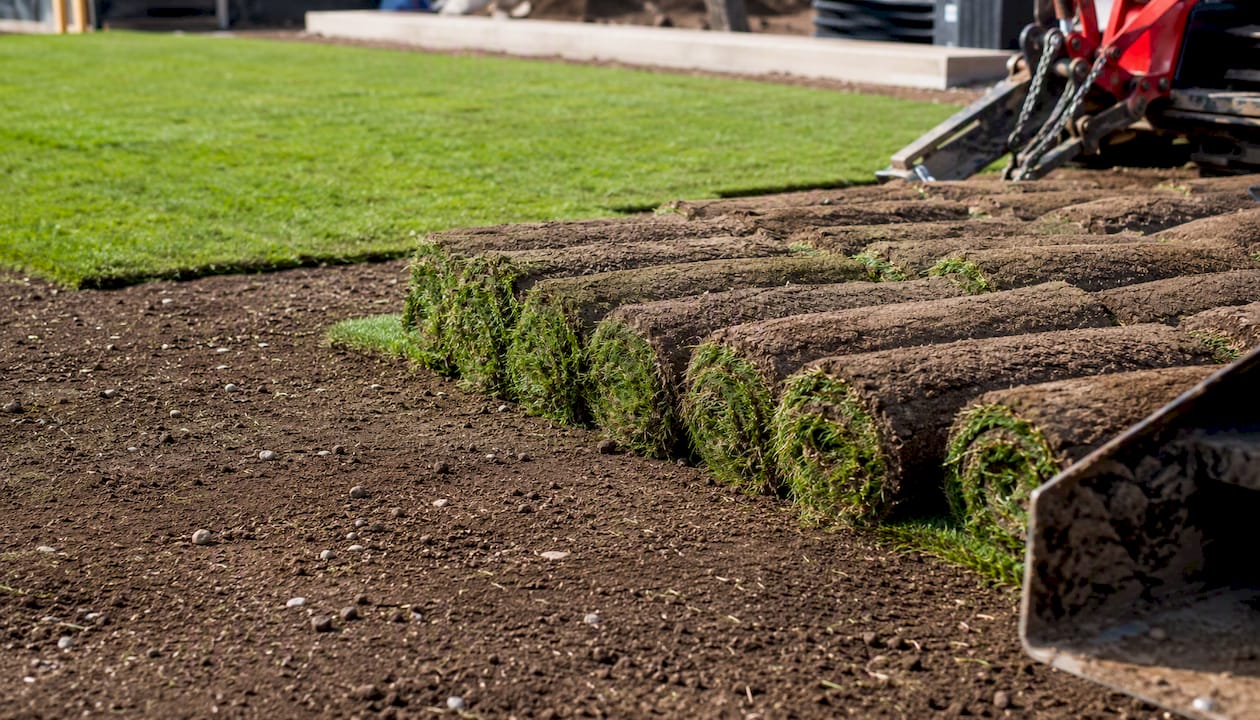
Kentucky bluegrass with a named cold-hardy cultivar remains the first choice for high-quality turf, but the installation crew and the freshness of the supply chain matter as much as the label on the roll. A quality-controlled sod source paired with correctly graded, screened topsoil consistently outperforms low-cost, unverified material laid by an inexperienced crew, regardless of which species is involved.
ProZone crews work to Alberta Safety Codes standards on every site, coordinating grading, drainage, topsoil placement, sod delivery, and initial irrigation setup as one sequence rather than a series of disconnected steps handed off between separate contractors. That coordination is what keeps a new lawn on schedule within Edmonton’s narrow prairie establishment window, whether the job is a single residential yard or a multi-acre commercial property.
Hire ProZone or order sod and topsoil locally
ProZone supplies and installs sod and screened topsoil for Edmonton properties, and can manage grading, delivery, and installation as a single coordinated timeline instead of leaving you to juggle separate contractors. That is the practical advantage over piecing a lawn project together yourself: one crew, one schedule, one point of accountability from soil test to finished turf.
The typical process runs through site assessment, soil grading and topsoil placement, sod or seed selection matched to sun and traffic conditions, delivery timed to freshness, and installation with an initial watering plan set up before the crew leaves. Property managers get the same process at commercial scale, with delivery windows built around site access and use schedules.
Browse ProZone’s sod and screened topsoil inventory to see current stock, or start with a site preparation consultation if your project needs grading and drainage work before turf goes down. Use the online inquiry form or call ProZone directly to book a site assessment and get a free estimate for your Edmonton property.
Sources
The technical foundation for cultivar selection, sowing rates, and establishment schedules in this guide comes from a small set of primary sources worth bookmarking if you want to go deeper.
- Lawn building and maintenance (0163010346423-lawn-building-and-maintenance.pdf)
FAQ
What are the three types of sod best suited to Edmonton?
The three main options are Kentucky bluegrass for sunny, high-traffic areas, fine fescue (including creeping red fescue) for shade and low maintenance, and 50/50 bluegrass-fescue blends for mixed-sun yards.
Who is a reputable source for sod in Edmonton?
Look for a supplier that names specific cold-hardy cultivars rather than generic species labels and can confirm the grower’s soil type and sod thickness. ProZone supplies and delivers fresh sod and screened topsoil directly to Edmonton properties as part of a coordinated installation service.
What is the best type of sod to buy for a typical Edmonton yard?
For most sunny residential lots, a cold-hardy named Kentucky bluegrass cultivar such as Midnight, Nugget, Kenblue, Rugby II, or Baron is the best choice, since it survives winter lows down to about -35 degrees Celsius. Shaded yards do better with a fine fescue blend instead.
What is “poor man’s grass”?
The term usually refers to unlabelled, low-cost grass seed or sod sold without a named cultivar, often perennial ryegrass or generic bluegrass with no verified cold hardiness. It tends to establish fast but performs poorly through an Edmonton winter compared with certified, cultivar-named stock.