
Seasonal snow contracts are the right call for mid-to-large commercial sites, high-traffic properties, and any location carrying real liability exposure, and Edmonton’s average of 124 centimetres of annual snowfall makes that decision easy for most portfolios. A properly structured seasonal agreement locks in plowing, sanding, hauling, walkway service, and priority dispatch under one set of defined triggers. Your first move should be preparing a standard site scoping sheet before you call a single vendor, since it forces every bidder to quote against the same site conditions instead of their own assumptions.
Table of Contents
- What seasonal snow removal contracts typically cover in Edmonton
- Pricing and budgeting: how seasonal fees are structured
- How do you write an RFP that gets accurate bids?
- What are your legal duties for snow and ice under Alberta law?
- How do you evaluate contractor proposals objectively?
- Managing the seasonal contract through the winter
- Seasonal contracts versus per-clear: a quick decision checklist
- Cancellation and modification policies in seasonal snow contracts
- Dispute resolution procedures and service guarantees
- ProZone perspective: local capability, documentation, and safety-first delivery
- Get a free site scoping review and estimate from ProZone
- Sources
- FAQ
What seasonal snow removal contracts typically cover in Edmonton
A properly scoped seasonal contract splits service into two zones: pedestrian and vehicular. Each needs its own service definition, equipment, and response standard, because a plow blade that clears a drive lane does nothing for a stairwell packed with drifted snow.
Reputable contracts in the Edmonton market typically bundle:
- Plowing, covering drive lanes, stalls, and loading zones down to bare pavement or a defined depth threshold.
- Berm clearing, removing the windrows plows leave along curbs and building entrances so they don’t block sightlines or drainage.
- Hauling, physically removing excess snow off site when on-site storage capacity runs out.
- Sanding and anti-icing, applying abrasives or de-icing agents before and after freeze-thaw events.
- Pedestrian services, covering walkways, stairs, ramps, and entrance mats, usually on a tighter response window than vehicle areas.
Equipment specifications matter more than most managers realize. A contract naming truck-mounted plows, skid steers with pusher boxes, and calibrated sanders for abrasive spread rate gives you a benchmark to hold the crew to, rather than a vague promise of “equipment as needed.”
Pricing and budgeting: how seasonal fees are structured
Most Edmonton contractors price seasonal work three ways: a flat seasonal rate paid in instalments, monthly billing tied to a defined service scope, or a base rate with visit caps and per-clear add-ons once you exceed the cap. Flat-rate seasonal pricing protects your budget against a brutal winter; monthly billing with caps protects the contractor against a mild one.
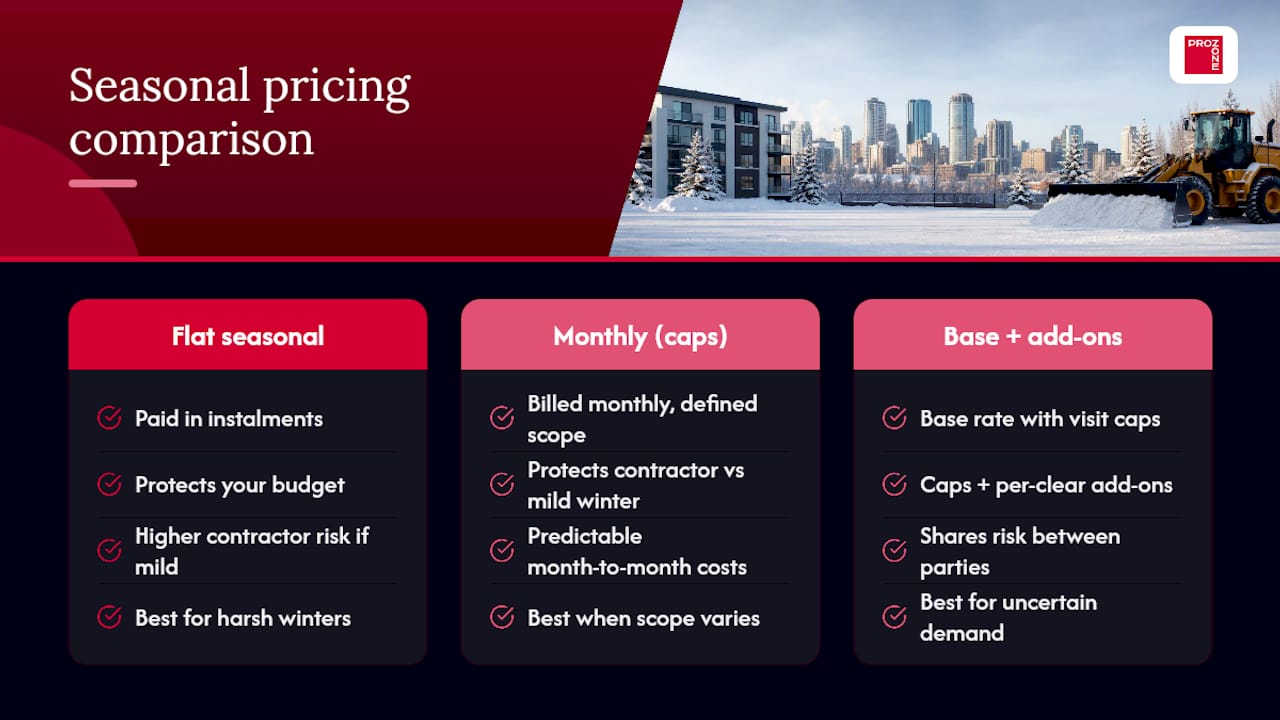
Price is driven by lot size, stall count, on-site snow storage capacity, hauling frequency, and whether work happens overnight to avoid disrupting tenants or customers. A bid that comes in well below the rest of the field is worth a second look. It often signals hauling has been left out, sanding is billed separately, or documentation and photo logging simply aren’t included.
A quick reality check on Edmonton winters: snowfall peaks in November and again from January through March, and repeated freeze-thaw cycles through those months turn slush into black ice overnight. A contract priced only for plowing volume, without an integrated ice-management plan, underprices the real risk on your site.
Reviewing typical commercial snow removal cost ranges before you solicit bids gives you a sanity check against outlier quotes on either end.
How do you write an RFP that gets accurate bids?
Vague RFPs produce vague, incomparable quotes. Give every bidder the same data package and you get proposals you can actually stack against each other.
- Provide a site map with square footage, stall counts, walkway lengths, and the exact locations of stairs and ramps.
- Mark priority access routes, including fire lane widths and handicap access points that need clearance ahead of general lot service.
- Define snow storage limits and the trigger point (in cubic metres or truckloads) at which hauling begins, and specify who pays hauling and dump fees.
- Require documentation standards upfront: daily logs, timestamped photo evidence, electronic ticketing, and current proof of insurance and WCB coverage.
- Set response time expectations tied to snowfall thresholds, not vague phrases like “as required.”
Pro Tip: Ask every bidder to quote hauling in dollars per truckload, not as a vague “additional charges may apply” line. That single number exposes which contractors have a real hauling plan and which are hoping they won’t need one.
A scoping sheet built this way also becomes the backbone of your contract’s service-level schedule, which saves a second round of negotiation later. Our guide on commercial snow removal services walks through a fuller version of this scoping process.
What are your legal duties for snow and ice under Alberta law?
Alberta’s Occupiers’ Liability Act doesn’t demand a perfectly clear parking lot at every hour. It requires a reasonable inspection and maintenance programme, and the distinction matters enormously when a slip-and-fall claim lands on your desk.
A documented inspection and maintenance programme is the primary defence for property owners facing snow-and-ice claims, and contracts should specify triggers, response times and documentation protocols rather than leaving service standards implied.
Selecting a contractor is only half the job. Supervising their performance and keeping your own records of that supervision affects where liability ultimately lands if a claim goes to court. Legal guidance in Alberta consistently recommends inspection logs, photographs, and written remediation records as the paper trail that actually holds up. Anchoring your service triggers to Environment and Climate Change Canada’s local climate normals gives you a defensible reason for the service level you chose, rather than an arbitrary number pulled from a template.
How do you evaluate contractor proposals objectively?
Score every proposal against the same rubric, not against price alone. A cheaper contract with weak indemnity language usually costs more the first time something goes wrong.
- Confirm the contract states clear service triggers (a specific snowfall depth, not “significant accumulation”).
- Check for defined response windows and an escalation path if service is missed.
- Verify who bears hauling and disposal costs when storage limits are exceeded.
- Require proof of current WCB coverage and commercial general liability insurance, renewed annually before season start.
- Flag any proposal using “as required” or “as needed” language without a measurable standard behind it.
- Ask for local references and confirm the crew has actually operated through an Edmonton winter, not just a milder climate.
Managing the seasonal contract through the winter
A signed contract is only as good as the operational discipline behind it. The strongest agreements build in a rhythm of documentation and review from November through March.
- Log every service event, including timestamp, crew arrival and departure, and photo evidence of conditions before and after service.
- Define a remediation process for missed service, including credit terms and an escalation contact if response times slip.
- Track visit counts against any cap in the contract, and reconcile invoices monthly rather than waiting until spring.
- Hold a season-end review with the contractor to adjust triggers, staffing, or equipment for the following winter.
Pro Tip: Request electronic ticketing with GPS-stamped arrival and departure times rather than paper logs. It’s the documentation standard courts favour when a claim is contested months after the snow has melted.
Seasonal contracts versus per-clear: a quick decision checklist
Large lots, high foot or vehicle traffic, and liability-sensitive sites almost always justify a seasonal contract. Small, low-traffic lots or storage yards can sometimes get by on per-clear billing without meaningful added risk. Hybrid arrangements with a base seasonal rate plus a visit cap split the difference for sites in between.
- High traffic or liability exposure: choose seasonal.
- Small, low-traffic, or seasonal-use lot: per-clear may suffice.
- Uncertain snowfall exposure: consider a hybrid with a visit cap.
Cancellation and modification policies in seasonal snow contracts
Seasonal contracts should spell out cancellation terms before either party signs, not after a dispute forces the question. Most Edmonton contracts run from a defined start date, often mid-October or November 1, through a defined end date in April, and early termination clauses typically require written notice of 30 to 60 days along with payment for services already rendered.
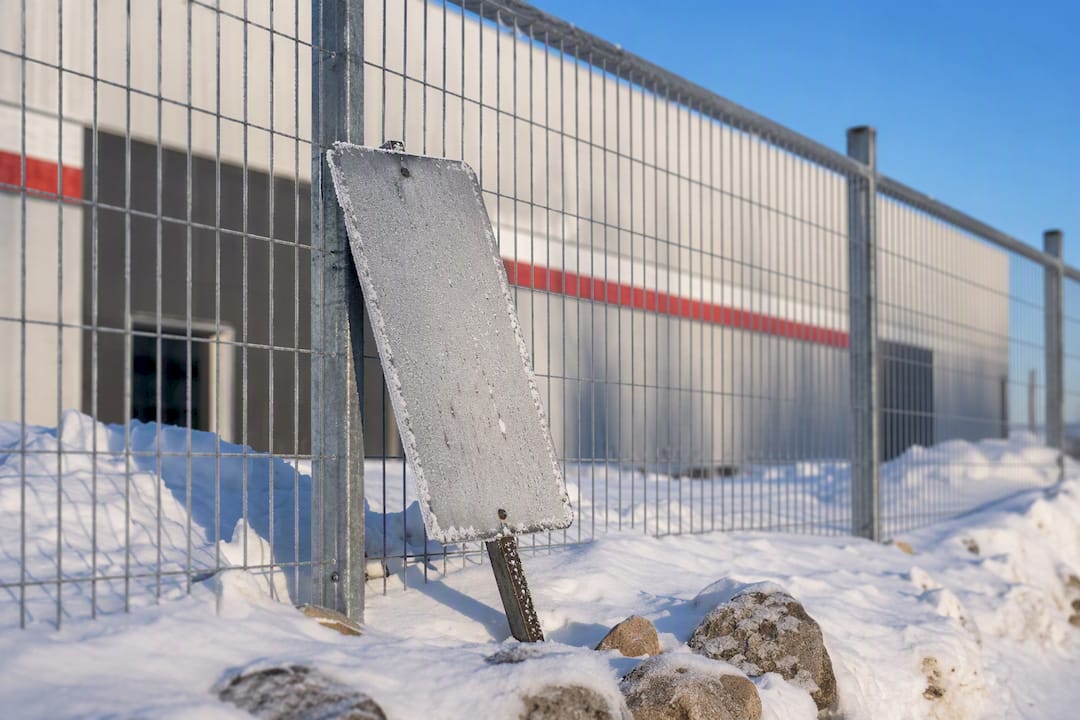
Modification clauses matter just as much. Properties change tenants, add parking areas, or shift operating hours mid-season, and your contract needs a mechanism to adjust scope without tearing up the agreement and starting over. Look for language that allows written amendments with mutual sign-off, rather than a rigid contract that locks you into a scope that no longer matches your site.
Watch for one-sided cancellation terms that let the contractor walk away mid-season with minimal notice while binding you to a long notice period. That imbalance is common in undocumented handshake arrangements and far less common in a properly drafted seasonal agreement. A fair contract holds both parties to comparable notice requirements.
Ask specifically how weather-related suspensions are handled too. A contractor who cannot deploy equipment during an extreme cold warning needs language covering that gap, along with a plan for catching up once conditions allow work to resume. Vague contracts leave this unaddressed, which creates disputes exactly when you need clarity most, mid-storm.
Dispute resolution procedures and service guarantees
Every seasonal contract needs a defined path for what happens when service falls short, because disputes over missed clears or damaged property are far easier to resolve when the process is written down in advance rather than negotiated on the fly.
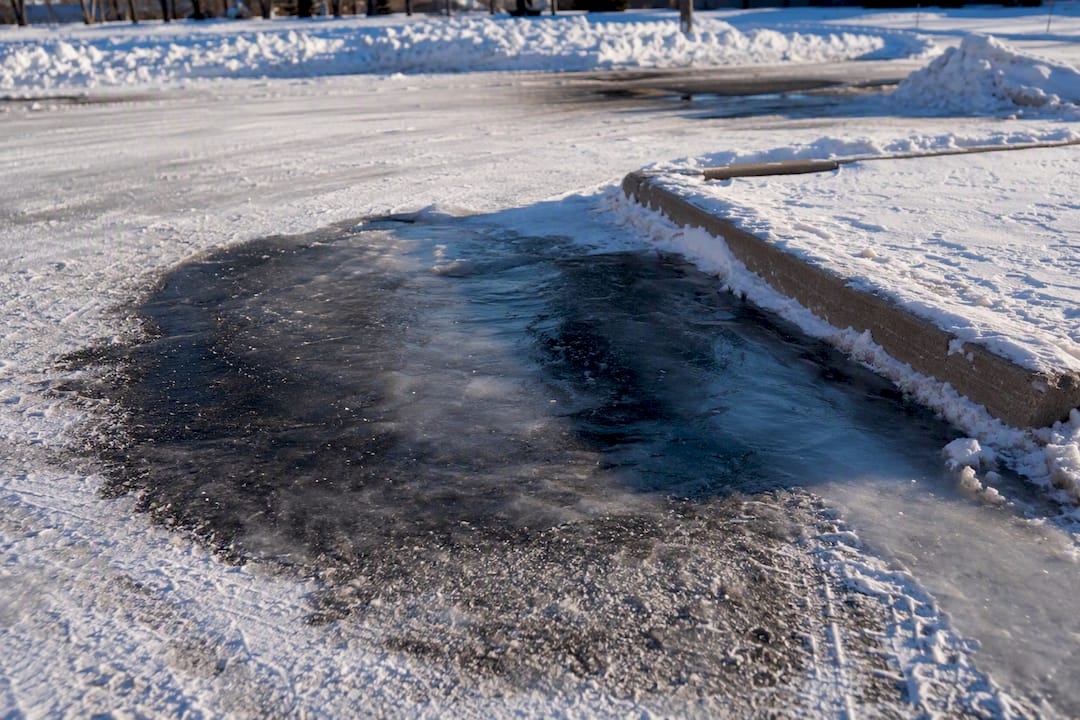
Start with an internal escalation step. The contract should name a specific contact for service complaints and a response timeframe, typically 24 to 48 hours, for the contractor to acknowledge and address the issue. If a missed service caused a documented incident, such as a slip-and-fall, the contract should specify how credits, remediation costs, or make-good service are handled.
Service guarantees vary by contractor, but a credible one ties compensation to the specific trigger that was missed, not a vague promise of “we’ll make it right.” For example, a contract might specify a service credit equal to the missed visit’s value if response time exceeds the stated window following a measurable snowfall threshold.
If internal escalation fails, most commercial service agreements in Alberta default to mediation before litigation, since it’s faster and cheaper for both sides. Confirm your contract states this explicitly, including which party covers mediation costs. Reviewing how a contractor handles the hidden costs of neglected snow removal helps you gauge whether their guarantees are backed by real operational capacity or just contract language.
ProZone perspective: local capability, documentation, and safety-first delivery
Edmonton’s freeze-thaw cycles punish contractors who treat winter maintenance as plowing alone. Prozoneltd runs equipment, abrasive supply, and documented inspection processes built for exactly that volatility, backed by insured, WCB-covered crews and defined response times with priority dispatch.
A complimentary scoping review from Prozoneltd includes a site map assessment, recommended service triggers based on your property’s specific risk profile, and draft contract clauses ready for your legal review.
— ProZone
Get a free site scoping review and estimate from ProZone
Generic contractors quote by the truckload. Prozoneltd quotes by the site, reviewing your property map, traffic patterns, and liability exposure before recommending triggers instead of applying a one-size-fits-all plan built for a different kind of lot entirely. That scoping review, including a proposed contract clause set covering hauling, response times, and documentation, comes at no cost and with no obligation.
Property managers who want a seasonal agreement built around Alberta Safety Codes compliance and real Edmonton winter data, not a template pulled from a milder climate, can start by exploring the full range of commercial snow removal services Prozoneltd delivers across the region. If your site also carries pavement wear from winter salt and plow contact, the parking lot maintenance program pairs directly with a seasonal snow contract to protect that investment year-round.
Ready to compare a real proposal against whatever you’ve been quoted so far? Complete the online estimate form or call Prozoneltd directly, and a scoping review will be scheduled before the next major snowfall hits your site.
Sources
- Braving Alberta winters: Occupiers’ liability for property owners – Field Law
- Climate of Edmonton – Wikipedia
- Environment and Climate Change Canada climate and weather data
- Snow removal and business liability in Alberta – Cuming & Gillespie LLP
FAQ
Who is a good company for residential snow removal in Edmonton?
Look for a contractor with insured and WCB-covered crews, documented maintenance programs, and defined response times rather than a handshake agreement. Prozoneltd offers residential and commercial snow removal built around those same documentation standards used in its commercial contracts.
What was the worst winter ever recorded in Edmonton?
Edmonton’s snowfall varies widely year to year, but the city’s average annual snowfall sits near 124 centimetres, with the heaviest totals typically landing between November and March. Reviewing the City of Edmonton’s monthly snow data gives property managers a clearer picture of historical extremes for their specific site planning.
Has Edmonton ever had snow in July?
Summer snowfall is extremely rare in Edmonton, though isolated flurries at higher elevations nearby have been recorded in unusual cold snaps. It has no bearing on seasonal contract planning, since winter service windows are built around the November through March snowfall peak.
How much is snow removal in Edmonton per month?
Monthly costs depend heavily on lot size, stall count, and whether hauling and sanding are included; small lots incur lower fees while large commercial sites with hauling pay significantly more. Requesting quotes against a standardized site scoping sheet is the only reliable way to compare monthly pricing across contractors.
What’s the difference between seasonal and per-clear snow contracts?
A seasonal contract locks in a set fee for the winter with guaranteed priority dispatch, while per-clear billing charges per visit and works best for small, low-traffic sites. Most mid-to-large commercial properties in Edmonton benefit more from seasonal pricing because it protects budgets during heavy snowfall years.