
Many property managers assume concrete flatwork is straightforward, but the reality is far more complex. Understanding what makes quality flatwork involves recognizing standards, common defects, and maintenance strategies specific to Alberta’s challenging climate. This guide breaks down everything you need to know about concrete flatwork, from defining the scope to implementing best practices that ensure your infrastructure investments deliver long-term value and safety.
Table of Contents
- Understanding Concrete Flatwork: Definition And Scope
- Common Concrete Flatwork Surface Issues And Their Causes
- Canadian Standards Shaping Flatwork Quality: CSA A23.1-19
- Best Practices For Flatwork Maintenance And Repair In Alberta
- Enhance Your Concrete Flatwork Projects With ProZone
- Frequently Asked Questions
Key takeaways
| Point | Details |
|---|---|
| Definition and scope | Concrete flatwork includes horizontal surfaces like sidewalks, parking lots, and foundations crucial for infrastructure durability. |
| Common surface problems | Blistering, cracking, and rough finishes result from improper materials, techniques, or timing during installation. |
| CSA A23.1-19 compliance | Following Canadian standards reduces risk, ensures quality, and maintains safety across all concrete projects. |
| Maintenance essentials | Regular cleaning, sealing, and early crack repair extend flatwork lifespan in Alberta’s freeze-thaw cycles. |
| Professional partnerships | Working with experienced contractors guarantees code compliance and optimal project outcomes. |
Understanding concrete flatwork: definition and scope
Concrete flatwork refers to horizontal concrete surfaces that form the foundation of infrastructure projects. These surfaces include sidewalks, driveways, parking lots, curbs, patios, and building foundations. For Alberta municipalities and facility managers, quality flatwork directly impacts safety, accessibility, and long-term maintenance costs.
The scope of flatwork extends beyond simple pouring and leveling. It encompasses material selection, proper mixing ratios, correct finishing techniques, and climate-appropriate curing methods. In Alberta’s environment, where temperatures swing dramatically and freeze-thaw cycles dominate winter months, these factors become even more critical.
Key applications of concrete flatwork in Alberta infrastructure include:
- Municipal sidewalks and pedestrian pathways requiring ADA compliance
- Commercial parking lots handling heavy traffic loads
- Building foundations supporting multi-story structures
- Outdoor recreational areas like basketball courts and plazas
- Curbs and gutters managing stormwater drainage
Understanding basic terminology helps you communicate effectively with contractors. Finishing refers to the final surface treatment applied while concrete remains workable. Vibration removes air pockets and ensures proper compaction. Curing maintains moisture levels during the hardening process, directly affecting final strength and durability. When you grasp these fundamentals, you can better evaluate contractor proposals and project specifications.
Common concrete flatwork surface issues and their causes
Surface defects compromise both aesthetics and functionality. Recognizing these problems early helps you address root causes before they escalate into expensive failures.
Blistering represents one of the most frequent flatwork defects. Blisters on concrete surfaces are caused by entrapped air or water during finishing operations. These bubble-like formations vary from dime-sized to several inches in diameter. They occur when air or moisture becomes trapped beneath the surface during troweling, then expands as the concrete sets.
Excessive fines in the concrete mix can lead to blistering caused by sticky mixes crusting under drying winds while the concrete remains plastic. When winds evaporate surface moisture faster than bleed water can rise, a premature surface crust forms. Continued troweling over this crust traps air and moisture, creating blisters that appear hours or days later.
Other common defects include:
- Cracking from improper joint spacing, rapid drying, or inadequate reinforcement
- Rough or spongy finishes resulting from premature finishing or incorrect water ratios
- Scaling where surface layers flake away due to freeze-thaw damage
- Dusting caused by weak surface concrete from excess water or carbonation
Timing plays a crucial role in preventing these issues. Finishing too early, before bleed water evaporates, weakens the surface. Finishing too late prevents proper consolidation. Understanding what causes concrete to crack helps you implement preventive measures during project planning.
“The principal causes of blistering are entrapped air from early finishing operations and excessive fines creating sticky mixes that crust prematurely under drying conditions while the concrete beneath remains plastic.”
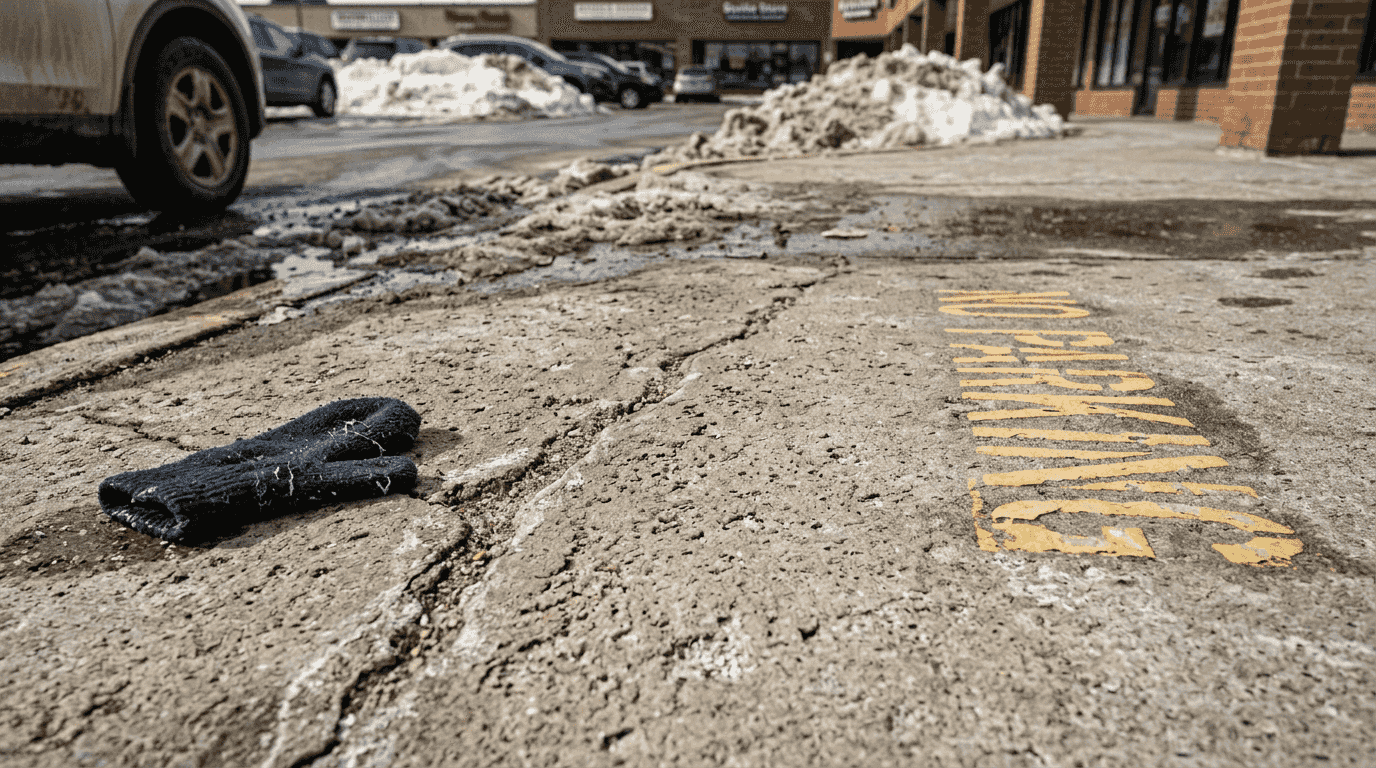
For Alberta projects, surface defects carry serious implications. Blisters and cracks allow water infiltration, which expands during freezing and accelerates deterioration. What starts as a minor cosmetic issue quickly becomes a structural liability requiring costly repairs or replacement.
Canadian standards shaping flatwork quality: CSA A23.1-19
The CSA A23.1-19 is the go-to guide for concrete construction in Canada, streamlining regulations and simplifying codes. This standard provides comprehensive requirements for materials, production, testing, and placement of concrete in construction projects.
For Alberta managers overseeing infrastructure projects, CSA A23.1-19 compliance delivers multiple benefits:
- Risk reduction through standardized quality control procedures
- Legal protection when projects meet recognized national standards
- Improved durability from proven material specifications
- Enhanced safety for workers and public users
- Better value through reduced maintenance and longer service life
The standard addresses critical aspects of flatwork construction. It specifies acceptable aggregate types, cement grades, and admixture compatibility. It defines mixing procedures, placement methods, and finishing requirements. It establishes testing protocols to verify concrete strength and durability characteristics.
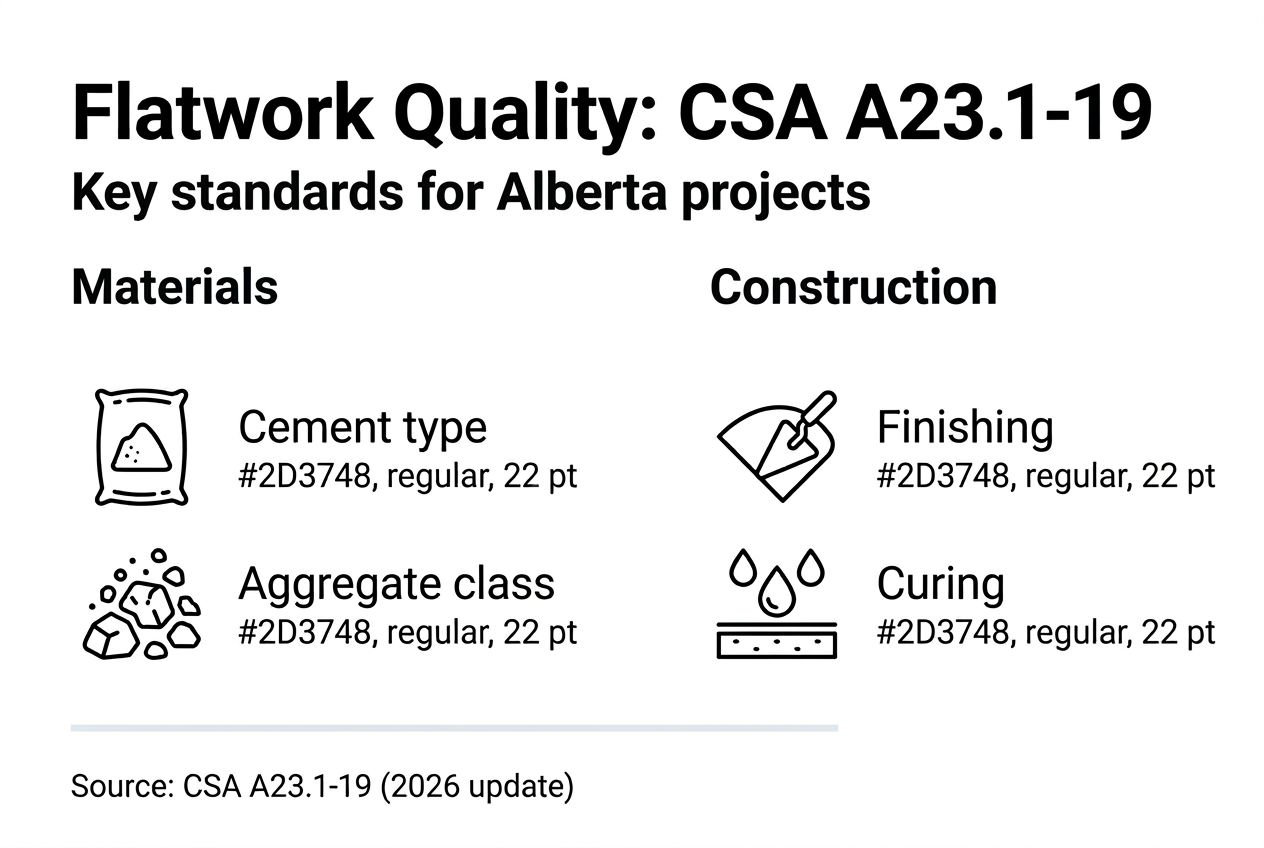
Material selection under CSA A23.1-19 considers exposure conditions. Alberta’s Class C-2 exposure classification accounts for freeze-thaw cycles with deicing salts, requiring specific air entrainment levels and maximum water-cement ratios. Workmanship standards ensure proper consolidation, finishing, and curing practices that prevent the surface defects discussed earlier.
When reviewing contractor proposals, verify their commitment to CSA compliance. Ask about their quality control procedures, testing protocols, and experience with Alberta exposure classifications. Reference to this Canadian concrete standards guide can help clarify requirements.
Pro Tip: Request documentation showing your contractor’s familiarity with CSA A23.1-19 requirements specific to your project’s exposure classification. This simple step can prevent costly rework and ensure your investment meets provincial building codes.
Best practices for flatwork maintenance and repair in Alberta
Proactive maintenance extends flatwork lifespan and prevents minor issues from becoming major expenses. Alberta’s climate demands specific attention to seasonal cycles and environmental stressors.
Follow this maintenance sequence for optimal results:
- Conduct thorough spring inspections after winter freeze-thaw cycles to identify new cracks or surface deterioration
- Clean surfaces annually to remove debris, organic growth, and chemical residues that accelerate weathering
- Apply penetrating sealers every 2-3 years to reduce moisture infiltration and protect against freeze-thaw damage
- Monitor expansion joints and control joints for proper function and seal deterioration
- Address cracks promptly when they exceed hairline width to prevent water penetration
- Schedule professional assessments every 3-5 years to evaluate structural integrity and plan major repairs
| Maintenance Task | Recommended Frequency | Primary Benefit |
|---|---|---|
| Surface cleaning | Annually (spring) | Removes debris and prevents organic growth |
| Crack inspection | Quarterly | Enables early intervention before major damage |
| Sealer application | Every 2-3 years | Reduces moisture penetration and freeze-thaw damage |
| Joint maintenance | Annually | Preserves designed movement and prevents random cracking |
| Professional assessment | Every 3-5 years | Identifies hidden deterioration and plans capital repairs |
Alberta’s seasonal considerations require special attention. Spring brings the most visible damage as freeze-thaw cycles complete and snowmelt reveals winter impacts. Summer provides the optimal window for sealing and repair work when temperatures support proper curing. Fall preparation includes joint cleaning and sealing to prevent water accumulation before winter.
Early detection saves substantial costs. A small crack sealed promptly costs hundreds of dollars. That same crack left untreated through winter can expand into a major failure requiring thousands in panel replacement. Regular monitoring identifies problems when repair options remain simple and affordable.
Pro Tip: For Alberta conditions, choose repair materials specifically rated for freeze-thaw resistance and rapid temperature changes. Polyurethane-based sealants and epoxy injection systems generally outperform traditional cement-based patches in our climate. Consult these concrete winter protection tips before cold weather arrives.
Partnering with experienced professionals ensures maintenance activities align with manufacturer specifications and industry best practices. Professional inspections identify subsurface issues invisible to casual observation. This sidewalk maintenance guide offers additional insights for public walkway management.
Enhance your concrete flatwork projects with ProZone
Successful concrete flatwork requires more than understanding theory. You need reliable partners who translate knowledge into quality results. ProZone delivers comprehensive concrete solutions backed by extensive Alberta experience.
Our team understands the unique challenges Edmonton and surrounding regions present. We navigate CSA A23.1-19 requirements seamlessly and apply climate-specific best practices to every project. From material supply to installation and ongoing maintenance consulting, ProZone supports your infrastructure investments throughout their lifecycle.

Partner with ProZone to access:
- Experienced crews trained in current Canadian concrete standards
- Local climate expertise ensuring appropriate material selection
- Comprehensive service range from new construction to repair and maintenance
- Quality materials sourced for Alberta conditions
- Project management support from planning through completion
Whether you’re planning new infrastructure or maintaining existing assets, ProZone provides the expertise and resources you need. Explore how to ensure your road is built to last with professional partnership. Review practical guidance on budgeting for concrete repairs to plan your maintenance investments effectively.
Frequently asked questions
What distinguishes flatwork from other concrete work?
Flatwork specifically refers to horizontal concrete surfaces like sidewalks, driveways, and floors. Other concrete work includes vertical elements such as walls, columns, and structural supports. Flatwork requires different finishing techniques and surface treatments than vertical applications.
How does Alberta’s climate affect concrete flatwork?
Alberta’s freeze-thaw cycles create the most significant challenge for concrete flatwork. Water penetrating the surface expands when frozen, causing cracking and scaling. This requires air-entrained concrete mixes, proper sealing, and climate-appropriate curing methods to ensure durability.
What are signs of poor concrete flatwork quality?
Visible indicators include surface blistering, premature cracking within the first year, rough or spongy texture, and scaling where surface layers flake away. Ponding water suggests improper grading, while early joint deterioration indicates inadequate materials or installation practices.
Why follow CSA standards for flatwork?
CSA A23.1-19 provides proven specifications that ensure concrete durability and safety in Canadian conditions. Following these standards reduces project risk, satisfies building code requirements, and delivers better long-term value through reduced maintenance needs. Non-compliant work often fails prematurely.
When is the best time for concrete flatwork maintenance in Alberta?
Spring provides the ideal inspection window to assess winter damage and plan repairs. Summer offers optimal conditions for sealing and repair work when temperatures support proper curing. Complete protective measures in fall before freeze-thaw cycles resume, focusing on joint sealing and crack repair.
Recommended
- Best Practices to Protect Your Concrete this Winter – ProZone Ltd.
- Asphalt, Concrete & Landscaping Supplies in Edmonton | ProZone
- Budgeting for Concrete Repairs: Understanding the Costs for Edmonton Businesses – ProZone Ltd. – Home, Main office, asphalt, concrete, snow removal, Alberta, Edmonton, SherwoodPark, rubber paving, streetbond, thermoplastic, landscaping supplies