
TL;DR:
- Hardscaping provides structural, functional, and aesthetic benefits that increase property value in Edmonton.
- Proper material selection and design account for Edmonton’s freeze/thaw cycles, ensuring longevity.
- Effective planning, installation, and maintenance of hardscape features optimize safety, water management, and long-term costs.
Most property owners think landscaping means plants, grass, and garden beds. That assumption leaves a lot of value on the table. Hardscaping forms the structural backbone of any outdoor space, and in Edmonton’s demanding climate, it’s what separates a functional, high-performing property from one that’s constantly in need of repairs. Whether you manage a commercial development or own residential property, understanding hardscaping means understanding how to protect your investment, improve usability, and increase market value. This guide covers what hardscaping is, which features matter most in Edmonton, how to plan a project right, and how to keep everything in top shape year-round.
Table of Contents
- What is hardscaping? Definition and core features
- Key benefits of hardscaping for Edmonton properties
- Popular hardscape features and materials in Edmonton
- Planning and executing a successful hardscaping project
- Hardscape maintenance: Longevity and safety in Edmonton
- The overlooked impact of hardscaping: Why it’s not just aesthetics
- Ready to start your Edmonton hardscaping project?
- Frequently asked questions
Key Takeaways
| Point | Details |
|---|---|
| Hardscaping definition | Hardscaping means the permanent, non-plant features in your property’s outdoor space. |
| Property value boost | Investing in quality hardscape surfaces can significantly increase real estate value and curb appeal. |
| Material matters | Choosing the right materials ensures your hardscape survives Edmonton’s climate and heavy use. |
| Proper planning is key | A successful hardscape project in Edmonton starts with smart design, budgeting, and local expertise. |
| Ongoing maintenance | Simple seasonal care keeps hardscape surfaces looking great and maximizes their lifespan. |
What is hardscaping? Definition and core features
Hardscaping refers to the non-living, structural elements of outdoor design. Think patios, driveways, retaining walls, walkways, steps, and stonework. These are the built components that give an outdoor space its shape, function, and permanence. Unlike plants or turf, hardscape elements don’t grow, wilt, or require watering. They hold their form and serve a practical purpose every single day.
The contrast with softscaping is important. Softscaping covers everything organic: trees, shrubs, grass, flower beds, and soil. Both work together in a well-designed outdoor space, but they serve different roles. Softscaping adds life and color. Hardscaping defines structure and flow. If you’ve ever walked up a stone path to a front entrance or parked on a paved commercial lot, you’ve experienced hardscaping at work. For a deeper look at how these disciplines overlap, landscape construction vs. hardscaping breaks down the distinctions clearly.
According to hardscaping basics, the term covers a wide range of materials and features, from simple gravel paths to engineered retaining walls. The scope is broad, and that’s exactly why it matters so much for Edmonton property owners.
Here’s a breakdown of the most common hardscape materials and features used in Edmonton:
- Concrete: Driveways, sidewalks, patios, curbs, and steps
- Asphalt: Parking lots, access roads, and large commercial surfaces
- Natural stone: Decorative patios, garden borders, and retaining walls
- Pavers: Interlocking brick or concrete units for walkways and plazas
- Gravel and aggregate: Drainage areas, paths, and utility zones
- Timber and composite wood: Decks, raised platforms, and borders
- Retaining walls: Slope control and erosion prevention
- Outdoor stairs: Grade transitions between levels
| Hardscape element | Primary function | Common material |
|---|---|---|
| Patio | Outdoor living or commercial seating | Concrete, pavers, natural stone |
| Driveway | Vehicle access and parking | Asphalt, concrete |
| Retaining wall | Slope and erosion control | Concrete block, natural stone |
| Walkway | Pedestrian circulation | Pavers, concrete, gravel |
| Outdoor stairs | Grade transitions | Concrete, stone |
| Curbs and edging | Surface definition and drainage | Concrete |
In Edmonton, hardscaping also has to account for the region’s freeze/thaw cycles, heavy snowfall, and the use of road salt. Material selection and installation quality aren’t just aesthetic decisions. They’re engineering decisions that determine how long your investment lasts.
Key benefits of hardscaping for Edmonton properties
Now that we know what hardscaping encompasses, it’s important to understand the concrete advantages it brings to properties, especially in Edmonton’s challenging climate.
The most immediate benefit is curb appeal. A well-designed driveway, clean walkways, and a structured patio make a strong first impression. For commercial developers, that impression directly affects tenant interest and lease rates. For residential owners, it affects resale value. Hardscaping adds value to your property in measurable ways, and that value compounds over time as soft landscaping elements age and require replacement.
Hardscaping increases property value by improving both the function and the visual appeal of outdoor spaces, making it one of the highest-return investments a property owner can make.
Usability is another major win. Hardscaped surfaces extend the functional season of outdoor spaces. A covered concrete patio or a properly graded parking area remains usable well into fall and is easier to clear in winter. Softscape elements, by contrast, become inaccessible or damaged during Edmonton’s long winters.
Pro Tip: When selecting materials for Edmonton projects, prioritize freeze/thaw resistance. Concrete mixes with air entrainment and sealed pavers outperform standard options by a wide margin when temperatures swing between plus 20 and minus 30 Celsius.
Maintenance is where hardscaping really pulls ahead. A lawn needs mowing, watering, fertilizing, and reseeding. A paved surface needs periodic cleaning and the occasional crack repair. Over a 10-year period, the maintenance cost difference is significant. Choosing best hardscape materials for your specific application reduces that gap even further.
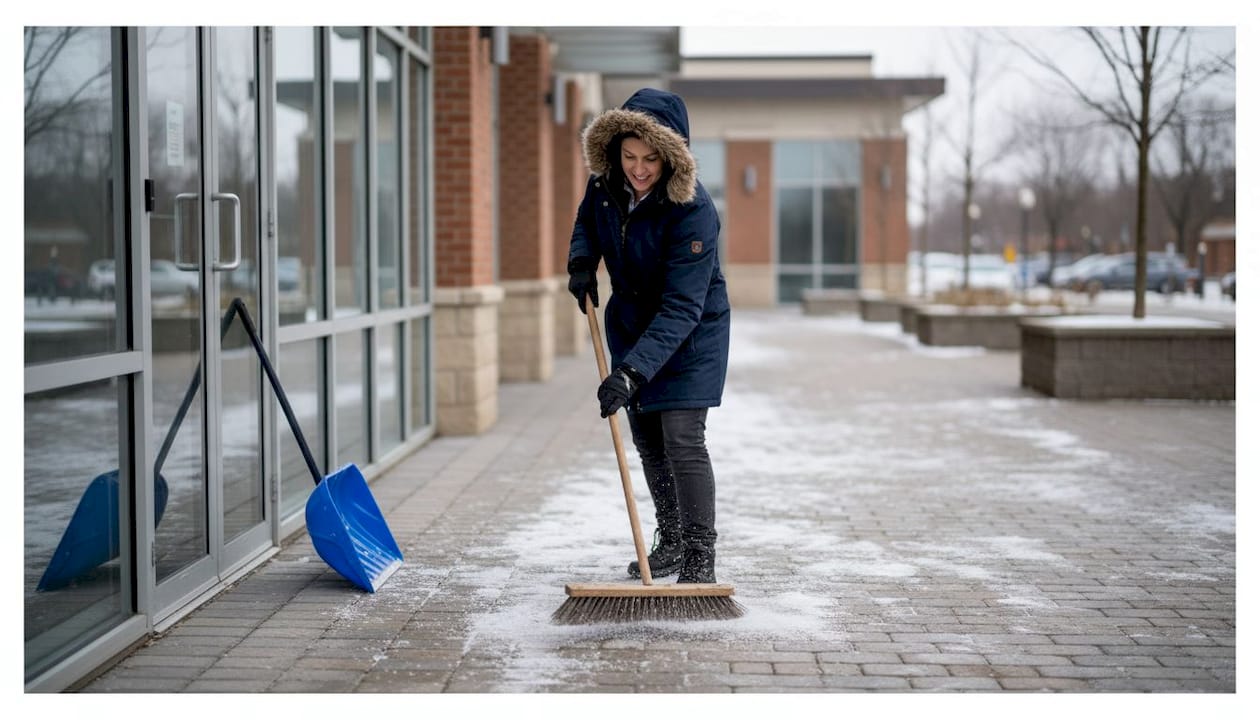
Water management is often overlooked. Properly graded hardscape surfaces direct runoff away from foundations and reduce pooling. In Edmonton, where spring melt can be intense, good drainage design prevents costly water damage. Comparing the cost and durability of hardscape surfaces helps you make smarter decisions before installation.
Key benefits at a glance:
- Increased market value and curb appeal
- Extended usability through Edmonton’s shoulder seasons
- Lower long-term maintenance costs vs. softscape
- Improved drainage and water management
- Greater safety for pedestrians and vehicles in winter
- Compliance with commercial accessibility standards
Popular hardscape features and materials in Edmonton
These benefits come to life through a range of versatile features and material choices, tailored for Edmonton’s conditions.
Patios are among the most requested features for both residential and commercial clients. Concrete patios offer durability and design flexibility. Paver patios allow for easier repair since individual units can be replaced without breaking up the entire surface. Natural stone adds a premium look but requires more careful installation to handle frost heave.
Driveways and parking lots are the workhorses of commercial hardscaping. Asphalt is the go-to choice for large commercial surfaces because it’s cost-effective, quick to install, and handles heavy traffic well. Concrete is preferred where aesthetics matter or where chemical exposure from vehicles is a concern. For commercial-grade hardscape materials, the choice between asphalt and concrete often comes down to traffic volume and budget.
Retaining walls solve real engineering problems. On sloped properties, they prevent erosion, create usable flat areas, and manage water flow. In Edmonton, retaining walls must be designed to handle soil movement caused by freeze/thaw cycles. Concrete block and natural stone are both popular, but the engineering behind the wall matters more than the material on the surface.
| Feature | Best material for Edmonton | Key consideration |
|---|---|---|
| Patio | Concrete, interlocking pavers | Frost heave resistance |
| Driveway | Asphalt, concrete | Load capacity, salt resistance |
| Retaining wall | Concrete block, natural stone | Drainage and soil movement |
| Walkway | Pavers, concrete | Slip resistance in winter |
| Outdoor stairs | Concrete, stone | Traction and freeze/thaw |
For landscaping supplies in Edmonton, sourcing materials locally also reduces lead times and ensures products are suited to Alberta’s climate standards.
Trending design features in Edmonton commercial and residential projects include:
- Permeable pavers for improved stormwater management
- Heated driveway systems for winter safety
- Integrated lighting within paver walkways
- Polished concrete for commercial plazas
- Gabion retaining walls for industrial aesthetics
- Decorative stamped concrete for retail and hospitality spaces
As Edmonton hardscape trends show, outdoor living investment continues to grow, with property owners prioritizing function alongside visual appeal.
Planning and executing a successful hardscaping project
Understanding your options sets the stage for executing hardscaping efficiently and effectively.
A hardscape project that goes wrong is expensive to fix. Poor drainage, incorrect material selection, or inadequate base preparation can turn a beautiful installation into a liability within a few years. Planning properly from the start is the single most important thing you can do.
Here is a practical 6-step process for Edmonton hardscaping success:
- Assess the site. Walk the property and identify grades, drainage patterns, soil conditions, and existing utilities. Edmonton’s clay-heavy soils require deeper base preparation than many other regions.
- Set clear goals. Define what the space needs to do. Is it a high-traffic commercial entrance? A residential patio for seasonal use? The function drives every material and design decision.
- Design with climate in mind. Factor in snow removal paths, salt exposure zones, and frost depth. Edmonton’s frost line sits around 1.2 meters, which directly affects foundation depth for walls and steps.
- Set a realistic budget. Include base preparation, materials, labor, permits, and a contingency of at least 10 to 15 percent. Review budgeting for hardscape projects to understand where costs typically run over.
- Obtain permits. Commercial hardscaping almost always requires permits, especially for retaining walls over a certain height or projects that affect drainage. Residential projects may also need approval depending on scope.
- Choose the right contractor. Local experience matters enormously. A contractor who knows Edmonton’s soil, climate, and municipal requirements will deliver a better result than a general contractor unfamiliar with the region. Choosing a hardscape contractor with local expertise is a decision worth taking seriously.
“The most expensive hardscape mistakes happen before a single stone is laid. Skipping proper site assessment and base preparation costs far more to fix than it would have cost to do right the first time.”
Pro Tip: Schedule hardscape installation during late spring or early fall in Edmonton. Avoid extreme heat or cold during curing periods for concrete. Temperature swings during installation can compromise the finished surface before it’s even in use. For practical inspiration, hardscape project tips offer useful guidance on what to expect at each stage.
Hardscape maintenance: Longevity and safety in Edmonton
Once your hardscape is in place, ongoing care ensures you get the most from your investment.
Maintenance is not glamorous, but it’s the difference between a hardscape that lasts 30 years and one that needs major repairs in 10. Edmonton’s climate puts extra stress on outdoor surfaces. Freeze/thaw cycles, road salt, and heavy snow loads all take their toll. The good news is that most hardscape maintenance is straightforward if you stay consistent.
Here’s what routine maintenance looks like by material type:
- Concrete: Annual cleaning, crack sealing every 2 to 3 years, resealing every 3 to 5 years, prompt repair of spalling caused by salt exposure
- Asphalt: Crack filling annually, sealcoating every 2 to 4 years, pothole repair as needed, line repainting for commercial lots
- Natural stone and pavers: Joint sand replenishment, weed control in joints, re-leveling of settled units, surface sealing every few years
- Timber and composite decking: Annual cleaning, staining or sealing for natural wood, inspection for rot or fastener failure
- Retaining walls: Annual inspection for bulging, cracking, or drainage blockage behind the wall
For sidewalk maintenance for safety, consistent upkeep also reduces liability exposure, especially for commercial property managers who are responsible for pedestrian safety.
“Deferred maintenance on hardscape surfaces doesn’t just cost more to fix later. It creates safety hazards that expose property owners to liability claims during Edmonton’s icy winters.”
Pro Tip: Schedule a spring inspection every year after the frost fully leaves the ground. That’s when heaving, cracking, and joint separation become visible. Catching problems early means minor repairs instead of full replacements. For parking surfaces, parking lot maintenance tips outline exactly what to look for and when to act.
For broader guidance on keeping surfaces in top condition, hardscape care advice covers seasonal routines that apply well to Edmonton’s climate patterns.
The overlooked impact of hardscaping: Why it’s not just aesthetics
Most guides treat hardscaping as a visual upgrade. A nicer patio, a cleaner driveway, better curb appeal. That framing undersells what hardscaping actually does for a property’s performance and long-term financial picture.
The real value of hardscaping is functional. Properly designed drainage systems embedded in hardscape installations prevent foundation damage, reduce erosion, and eliminate the pooling that accelerates surface deterioration. A property with well-engineered hardscaping simply costs less to own over time. That’s not a marketing claim. It’s a maintenance and liability calculation.
For commercial developers, hardscaping also plays a direct role in regulatory compliance. Accessible pathways, properly graded surfaces, and compliant curb cuts aren’t optional. They’re legal requirements. Getting them right during initial construction is far cheaper than retrofitting later.
There’s also a property management ROI angle that most owners miss. Hardscaped surfaces reduce the frequency and cost of grounds maintenance contracts. They reduce slip and fall incidents in winter. They make snow removal faster and more effective. When you look at comparing surface durability, the long-term numbers consistently favor investing in quality hardscape over cheaper alternatives that require frequent intervention.
The bottom line: hardscaping is infrastructure. Treat it like a building system, not a decoration, and the returns over a 20-year ownership period are substantial.
Ready to start your Edmonton hardscaping project?
If you’ve made it through this guide, you now have a clearer picture of what hardscaping involves, why it matters in Edmonton’s climate, and how to approach a project with confidence. The next step is working with professionals who know this region’s soil, weather, and municipal requirements inside and out.
ProZone Ltd supports property owners and commercial developers across Edmonton with a full range of hardscaping and construction services. From concrete and asphalt to curb and sidewalk installation, we bring the technical expertise and local knowledge your project needs. Explore our services for Edmonton managers to see the full scope of what we offer. For pedestrian infrastructure, our sidewalk and curb solutions deliver safe, durable results. And for structural surfaces, our concrete contractor services cover everything from driveways to commercial plazas. Reach out to start planning your project today.
Frequently asked questions
How does hardscaping differ from landscaping?
Hardscaping involves non-living elements like patios, walls, and walkways, while landscaping includes plants and organic materials. Both work together, but hardscaping provides the structural framework that softscaping fills in around.
Will hardscaping increase my property value in Edmonton?
Hardscaping increases property value by improving curb appeal and outdoor functionality, which directly affects market value for both residential and commercial Edmonton properties.
What is the most durable hardscape material for Edmonton’s climate?
Concrete and pavers are durable choices for Edmonton’s freeze/thaw cycles, especially when properly installed with adequate base depth and sealed against salt and moisture.
How much maintenance does hardscaping require?
Hardscape maintenance is minimal compared to lawns or gardens. Most surfaces need annual cleaning, seasonal inspections, and occasional sealing or crack repair.
Do I need permits for commercial hardscaping projects in Edmonton?
Permits are typically required for commercial hardscaping, particularly for retaining walls, large paved areas, or any work that alters drainage. Always verify with Edmonton’s local planning and development office before breaking ground.