
TL;DR:
- Property owners in Edmonton often underestimate how much exterior improvements influence market value and buyer perception. A structured approach to curb appeal, considering climate, soil, and cohesive design, ensures long-term durability and aesthetic appeal. Regular maintenance and climate-smart material choices maximize investment return and property attractiveness.
Property owners in Edmonton frequently underestimate how much the exterior of a home shapes its market value and buyer perception. Understanding how to improve curb appeal goes beyond planting a few flowers. It requires a structured approach that accounts for Edmonton’s aggressive freeze-thaw cycles, local soil conditions, and the cumulative effect of cohesive design decisions. This guide walks you through every stage of that process, from initial assessment through execution and long-term maintenance, with specific attention to the material and plant choices that hold up in Alberta’s climate.
Table of Contents
- How to improve curb appeal: assessment and planning
- Landscaping improvements: design, layering, and maintenance
- Exterior surface and structural upgrades
- Lighting and decorative enhancements
- Verifying and maintaining your improvements
- My perspective on climate-smart curb appeal in Edmonton
- How ProZone supports your property’s exterior transformation
- FAQ
How to improve curb appeal: assessment and planning
Before any physical work begins, a thorough property evaluation determines where effort delivers the highest return. Walk to the street in front of your home and observe it as a stranger would. Note peeling paint, cracked concrete, overgrown shrubs, dead plant material, faded hardware, and any structural asymmetry that draws the eye in the wrong direction.
In Edmonton specifically, the assessment must include a freeze-thaw evaluation. Concrete walkways, retaining walls, and masonry surfaces all experience spalling and cracking from repeated thermal expansion and contraction across seasons. Identifying these structural deficiencies early prevents costly deferred maintenance down the road.
Use this checklist to evaluate each zone of your property:
- Lawn and planting beds: Bare patches, weed intrusion, soil compaction, or uneven turf coverage
- Trees and shrubs: Dead wood, crossing branches, overgrown canopies obscuring windows or the front entry
- Walkways and driveways: Surface cracking, heaving, settlement, or outdated material
- Exterior surfaces: Paint condition on siding, trim, and doors; caulk failure around windows
- Lighting: Non-functional fixtures, outdated styles, insufficient pathway illumination
- Hardware: House numbers, mailbox, door hardware, and any visible fixtures with inconsistent finish
Once the assessment is complete, prioritize improvements by ROI potential and structural urgency. Structural repairs, such as walkway replacement or foundation crack sealing, should always precede cosmetic upgrades. Painting over deteriorating surfaces or planting around a failing retaining wall only compounds the problem later.
| Project | Estimated Cost Range | ROI Potential | Edmonton Climate Consideration |
|---|---|---|---|
| Front door repaint | $50–$150 | High | Use exterior-grade latex rated for extreme temperatures |
| Mulch refresh (2-3") | $100–$300 | High | Cedar mulch resists freeze-thaw degradation better than hardwood |
| Walkway repair or replacement | $800–$5,000+ | High | Requires frost-depth footing; avoid thin concrete overlays |
| Exterior hardware update | $150–$400 | Medium | Choose stainless or powder-coated finishes for corrosion resistance |
| Landscape bed redesign | $500–$2,500 | Medium-High | Prioritize perennial and native species for zone hardiness |
| Pathway lighting upgrade | $200–$800 | Medium | Solar performance decreases in Edmonton winters; hardwired LED preferred |
Budgeting realistically before execution prevents scope creep. Not every improvement needs to happen simultaneously. A phased curb appeal improvement workflow, structured around seasonal timing, consistently outperforms rushed, single-season overhauls.
Landscaping improvements: design, layering, and maintenance
Landscaping is the most visually dominant component of exterior appeal, and it rewards deliberate design over random planting. The principle of height layering in plant placement establishes visual depth and structure: low ground covers and annuals near walkways, mid-height perennials in the middle register, and taller shrubs or ornamental grasses anchoring the beds closest to the foundation or property line.
This hierarchy guides the eye naturally from the street to the front entry. It also serves a functional purpose. Low plantings near paved surfaces reduce root intrusion, while taller back-layer plants provide privacy screening without blocking natural light to windows.
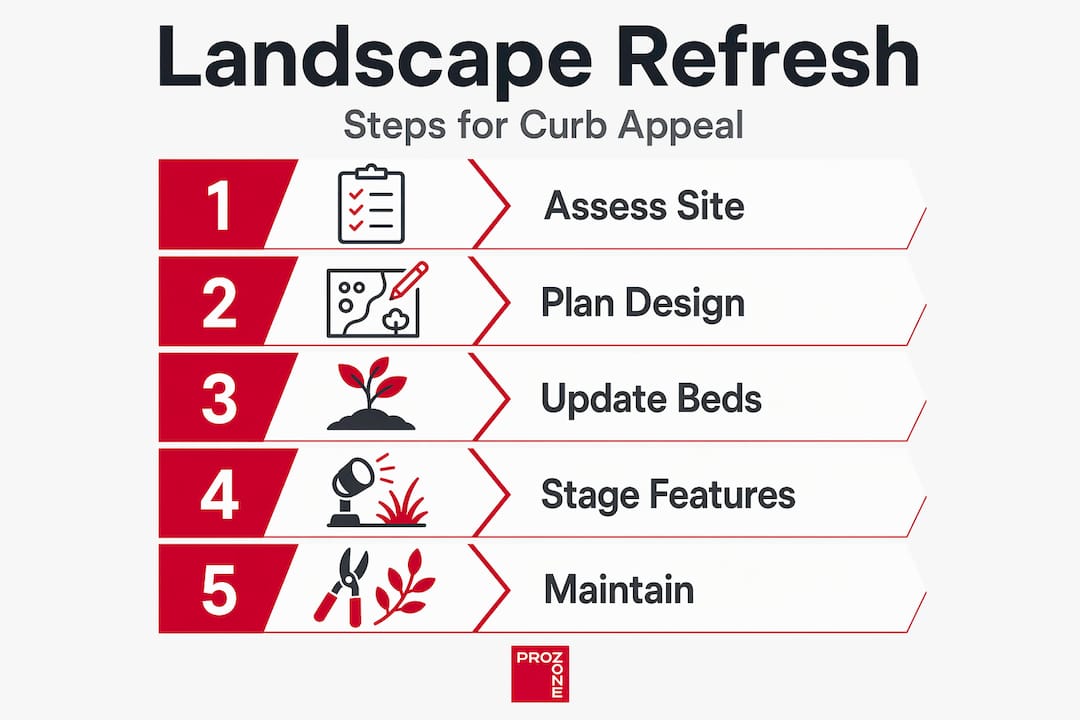
Steps for executing a landscape refresh
- Conduct a soil test before purchasing plants. Edmonton’s soils range from heavy clay in river valley areas to sandy loam in newer developments. Soil pH and drainage characteristics directly affect plant survival.
- Select climate-appropriate species. Inspecting soil type and sun conditions before plant selection is non-negotiable in Alberta’s USDA Plant Hardiness Zone 3b-4a range. Native species like Aspen, wild bergamot, and prairie crocus establish faster and require less irrigation than non-native cultivars.
- Remove all weeds and dead plant material before installing new plants or refreshing mulch. Mulching over weeds does not suppress them permanently.
- Apply mulch at a 2 to 3 inch depth with clean, crisp edging along bed borders. A precise mulch depth and clean edging approach delivers a professional, finished appearance quickly and at low cost.
- Install edging material to separate lawn from planting beds. Metal, concrete, and composite edging options each offer different longevity profiles in freeze-thaw conditions.
- Prune all existing shrubs and trees to remove dead wood and shape the canopy. Pruning timing matters in Alberta. Most shrubs benefit from late-winter or early-spring cuts before new growth begins.
- Establish a watering and weeding schedule for the first growing season. New plantings require consistent moisture during establishment, particularly during Edmonton’s dry July and August periods.
Pro Tip: Avoid the impulse to fill every bed immediately. Overplanting is one of the most common landscaping errors. Space plants according to their mature size, not their size at purchase. An overcrowded bed within three years costs more to correct than the original installation.
For those managing multiple properties or undertaking large-scale plantings, reviewing a structured outdoor landscaping workflow for Edmonton properties can prevent common sequencing errors that delay results.
Exterior surface and structural upgrades
Landscaping draws the eye, but the condition of your home’s hard surfaces determines whether the overall impression reads as maintained or neglected. These are the elements that age most visibly in Edmonton’s climate and the ones that reward careful material selection.
Repainting the front door and trim consistently ranks among the highest-return exterior investments. Exterior paint costs around $35 per gallon, and a single gallon typically covers a standard front door and frame. Surface prep is the differentiating factor. Sanding, priming, and cleaning the substrate before painting produces a finish that lasts three to five times longer than paint applied over an unprepared surface.
Hardware updates are a low-cost, high-visibility upgrade that many property owners overlook. Consistent style and finish selection across house numbers, door locksets, exterior light fixtures, and the mailbox signals deliberate attention to detail. A brushed nickel or matte black palette applied consistently across all hardware elements costs under $400 and transforms the street view in a single afternoon.
Walkways and driveways carry more visual weight than most homeowners realize. Replacing cracked or outdated walkways with herringbone or other patterned concrete or paver installations adds visual interest while correcting trip hazards. In Edmonton, any walkway replacement must address frost-depth footing requirements. Thin overlays over compromised sub-bases will fail within two freeze-thaw cycles.
| Surface Type | Pros | Cons | Edmonton Climate Rating |
|---|---|---|---|
| Poured concrete | Durable, clean appearance, low maintenance | Susceptible to cracking if sub-base is inadequate | Good, if properly reinforced |
| Interlocking pavers | Flexible under frost heave, repairable in sections | Higher installation cost, joints require maintenance | Excellent |
| Exposed aggregate | Textured grip, attractive finish | Aggregate can loosen in heavy freeze-thaw cycles | Moderate |
| Asphalt | Lower cost, good for driveways | Fades, softens in summer heat | Moderate, requires sealing |
| Natural stone | Premium appearance | Expensive, variable performance depending on stone type | Good for limestone; avoid sandstone |
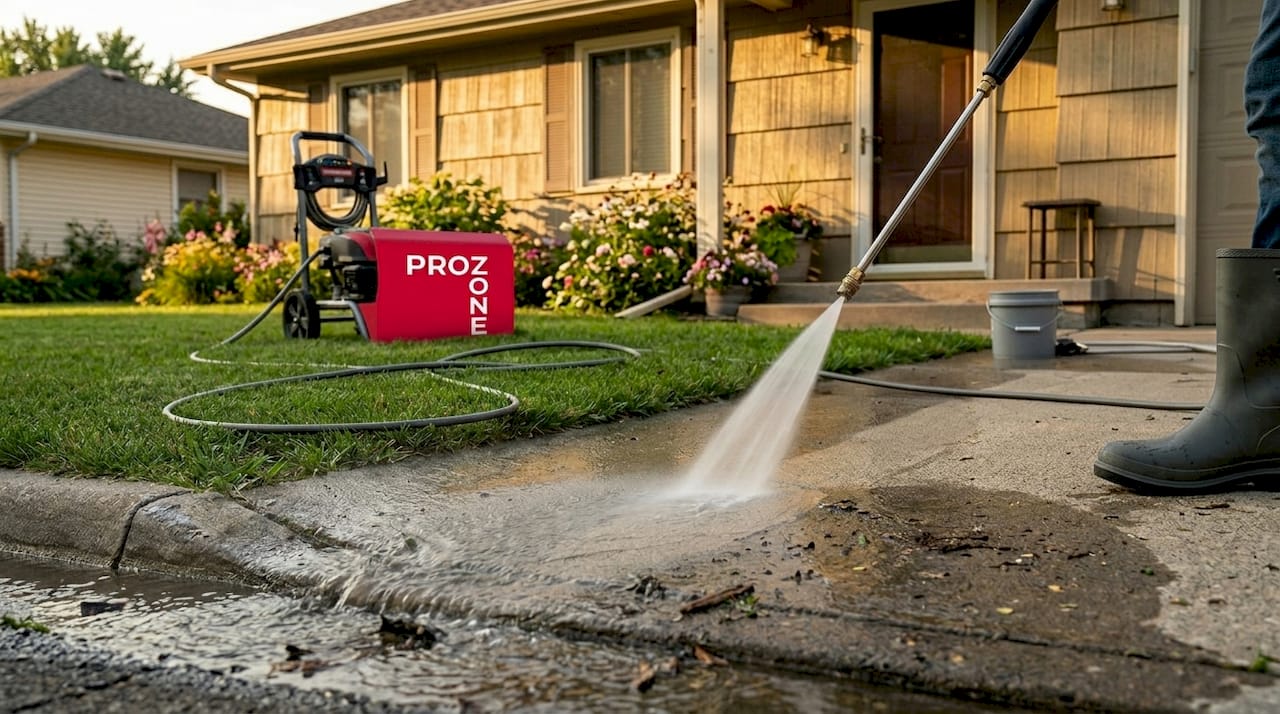
Pressure washing fences, siding, and concrete surfaces before any painting or sealing work both prevents surfaces appearing neglected and extends material life by removing organic growth that accelerates deterioration. This is a step that changes the entire tone of a property’s exterior before a single dollar of new material is spent.
Pro Tip: In Edmonton, apply a penetrating concrete sealer to all poured surfaces every two to three years. It reduces freeze-thaw spalling significantly and maintains the color integrity of decorative concrete finishes longer than most homeowners expect.
Stone-coated metal roofing is another structural upgrade worth evaluating if the roof is approaching end of life. Stone-coated steel shingles combine strong weather resistance with an aesthetically varied surface texture that adds exterior dimension at costs competitive with premium asphalt products.
Lighting and decorative enhancements
Curb appeal doesn’t end at sunset. A property that reads well after dark communicates security, care, and architectural confidence. Lighting is the single upgrade that extends the value of every other exterior improvement into evening hours.
The most practical approach layers three types of lighting across the property:
- Pathway lights define pedestrian routes and create low-level visual interest from the street. LED pathway stakes last significantly longer than incandescent options and draw minimal power. In Edmonton, hardwired LED fixtures outperform solar models because solar panel efficiency drops substantially below zero.
- Uplights or spotlights directed at architectural features, trees, or a prominent specimen shrub create focal points and depth. Lighting with spotlights and path lights boosts nighttime appeal and adds a measurable security benefit.
- Porch and entry lighting should complement the architectural style of the home. A craftsman bungalow looks wrong with a contemporary globe fixture. Fixture selection that matches the home’s period and style detail reinforces the cohesive design signal that buyers and appraisers respond to.
Decorative elements at the porch level add personality without requiring structural work. Seasonal plants staged with hanging baskets and potted flowers significantly increase buyer interest because buyers consistently rank the front porch among the most desirable exterior features. The key is restraint. Two matching planters flanking the entry read as intentional. Four mismatched containers in random sizes read as clutter.
Symmetry is a reliable design principle at the porch scale. Matching light fixtures on either side of the door, paired planters, and coordinated furniture pieces create a sense of order that reads as quality from the street.
Pro Tip: Replace porch light fixtures before listing a property for sale. Buyers notice dated or foggy fixtures immediately, and a fresh fixture set in the $80 to $150 range signals overall maintenance investment more clearly than its modest cost suggests.
Verifying and maintaining your improvements
Executing improvements is only half the work. The property that looks sharp at installation but receives no maintenance within six months signals neglect more clearly than a property that was never upgraded at all. Regular maintenance prevents properties from appearing neglected and extends the life of every material investment made.
Build a maintenance schedule around these annual and seasonal tasks:
- Spring: Refresh mulch to restore the 2 to 3 inch depth lost to decomposition. Re-establish crisp edging along all bed borders. Inspect concrete and masonry surfaces for new freeze-thaw cracking. Reapply concrete sealer where needed.
- Early summer: Complete spring pruning before plants reach full growth. Weed all beds thoroughly and apply pre-emergent treatment where appropriate. Inspect and clean all exterior light fixtures.
- Mid-summer: Spot-check irrigation adequacy for new plantings. Deadhead annuals and perennials to maintain bloom period. Inspect hardware for corrosion or finish wear.
- Fall: Cut back perennials and prep beds with a fresh mulch layer for winter insulation. Pressure wash driveways, walkways, and siding before freeze-up. Test and adjust any hardwired exterior lighting.
- Winter: Monitor for snow load damage on shrubs and young trees. Salt application near concrete should use calcium chloride rather than sodium chloride to reduce surface spalling.
To evaluate the impact of your improvements on property value, request a comparative market analysis from a local real estate agent before and after major projects. Most agents will provide this at no cost, and it gives you concrete data on how your investments are tracking relative to comparable properties. Cohesive, intentional design connecting all elements consistently delivers stronger value outcomes than isolated, expensive upgrades applied without a unifying plan.
My perspective on climate-smart curb appeal in Edmonton
I’ve worked on exterior improvement projects across Edmonton long enough to recognize the pattern clearly: homeowners invest heavily in one visible element, such as a new driveway or elaborate planting bed, while the rest of the property remains inconsistent. The result rarely delivers the value they expected.
What I’ve found actually works is the sum-of-parts approach. A Design Director perspective shared by Redfin’s Kevin Lenhart puts it precisely: cohesive design over disjointed upgrades produces more value than any single expensive feature. In Edmonton’s context, that means every material, plant, and fixture choice must survive the climate. I’ve seen beautiful exposed aggregate work crumble within two winters because the installer didn’t account for frost-depth sub-base requirements. I’ve seen homeowners choose plants that perform beautifully in zone 5 catalogs but die back completely in zone 3b winters.
The curb appeal improvement workflow I recommend always starts with structural integrity and climate suitability before aesthetics. Once those conditions are met, the decorative layer delivers its full return. Skipping the foundation work to get to the visual payoff faster is the most common and costly mistake I see. Sustained curb appeal requires discipline, a realistic maintenance schedule, and design choices made for the actual climate, not the aspirational one.
— ProZone
How ProZone supports your property’s exterior transformation
ProZone’s team brings certified construction expertise to Edmonton property owners and investors looking to improve their home’s exterior beyond what general landscaping contractors typically offer. From concrete walkway installation and repair built to Alberta Safety Codes standards, to professionally executed landscaping edging and asphalt surfacing, every project uses materials specified for Alberta’s freeze-thaw demands.
If your assessment revealed cracked walkways, failing hardscaping, or structural issues that need attention before cosmetic work can proceed, the landscape construction guide for Edmonton explains ProZone’s full scope of services and project planning approach. For properties where sidewalk condition or safety compliance is a priority, the concrete sidewalk maintenance service covers repair, replacement, and accessibility upgrades in detail.
Contact ProZone directly through the online inquiry form or call for a free estimate on your exterior improvement project.
FAQ
What is curb appeal and why does it matter?
Curb appeal refers to the visual attractiveness of a property as viewed from the street, and it directly influences perceived market value and buyer or tenant interest. Properties with strong exterior presentation consistently achieve faster sales and higher offer prices than comparable properties with neglected exteriors.
How much does improving curb appeal cost?
Costs range from under $200 for targeted paint and hardware updates to several thousand dollars for hardscaping replacement or full landscape redesigns. The most cost-effective improvements, such as mulching, edging, and repainting entry elements, typically deliver the highest ROI relative to spend.
What curb appeal improvements work best in Edmonton’s climate?
In Edmonton, prioritize freeze-thaw-resistant materials such as interlocking pavers and reinforced concrete for walkways, perennial and native plants rated for zone 3b or 4a, and hardwired LED lighting over solar. Cedar mulch also holds up better than hardwood mulch through the temperature cycling common in Alberta.
How often should curb appeal maintenance be performed?
Seasonal maintenance each spring, summer, and fall is the minimum standard. Regular, repeatable maintenance delivers higher long-term value than infrequent major overhauls because it prevents small issues from compounding into expensive repairs.
Does curb appeal actually increase home value?
Yes. A cohesive exterior presentation improves market perception and can meaningfully increase appraised value, particularly when structural elements like walkways, driveways, and exterior surfaces are in sound condition alongside well-maintained landscaping.