
TL;DR:
- Proper parking lot maintenance includes regular cleaning, crack filling, pothole repair, line painting, drainage management, and sealcoating.
- Consistent upkeep reduces safety hazards, enhances curb appeal, and lowers long-term repair costs.
- Building a seasonal, proactive maintenance plan and avoiding common mistakes saves money and extends lot lifespan.
A small crack in your parking lot can double in size within a single Edmonton freeze-thaw cycle, and what starts as a $200 repair can quietly balloon into a $20,000 resurfacing project within two seasons. Most property managers don’t see it coming because the damage looks minor for so long. But pavement doesn’t forgive neglect, especially in Alberta’s climate where temperatures swing from -30°C in January to +30°C in July. This guide covers everything you need to know: what parking lot maintenance actually includes, why it directly affects your safety record and tenant satisfaction, how to build a year-round plan, and which mistakes cost Edmonton property managers the most money.
Table of Contents
- What does parking lot maintenance include?
- How proper maintenance boosts property safety and appearance
- Steps for developing a year-round parking lot maintenance plan
- Common challenges and mistakes in parking lot maintenance
- Why proactive parking lot maintenance pays off in Edmonton
- Upgrade your lot with expert parking maintenance solutions
- Frequently asked questions
Key Takeaways
| Point | Details |
|---|---|
| Preventative care | Regular cleaning and repairs save money and boost property safety in the long term. |
| Seasonal planning | Adapting your schedule for Edmonton’s weather prevents surface damage and safety hazards. |
| Professional expertise | Expert contractors identify and fix issues faster and more effectively than DIY maintenance. |
| Safety first | Addressing small cracks and faded markings immediately reduces accident and liability risks. |
What does parking lot maintenance include?
After understanding the urgent need for consistent parking lot upkeep, it’s crucial to clarify what maintenance actually involves. Many property managers assume it’s just sweeping and the occasional pothole patch. The reality is much broader, and that gap in understanding is exactly what causes lots to deteriorate faster than they should.
Maintenance basics cover a wide range of services: cleaning, repair, line painting, and preventative care all fall under the umbrella of a properly managed lot. Think of it like building maintenance. You wouldn’t only fix a leaking pipe after the ceiling collapses. You’d inspect regularly, catch issues early, and follow a schedule. Parking lots work the same way.
Here’s what a full maintenance program typically covers:
- Debris removal and sweeping: Gravel, sand, and litter trap moisture against the surface and accelerate cracking. Regular sweeping is your first line of defense.
- Crack filling and sealing: Small cracks let water in. Water freezes, expands, and turns cracks into potholes. Filling cracks early is the highest-value preventative task you can do.
- Pothole repair: Potholes create trip hazards, damage vehicles, and expose your property to liability claims. Prompt repair is non-negotiable.
- Line painting and re-striping: Faded lines create confusion, reduce accessibility compliance, and make your lot look neglected. Fresh paint is one of the fastest ways to improve appearance.
- Drainage inspection and clearing: Blocked drains cause water to pool, which accelerates surface breakdown and creates ice sheets in winter.
- Sealcoating: A protective layer applied every few years to asphalt surfaces to slow oxidation and water penetration.
- Snow and ice removal: In Edmonton, this is a year-round concern from October through April. Proper removal methods matter as much as timing.
The type of surface your lot uses also changes the maintenance approach. Here’s a quick comparison:
| Surface type | Key strengths | Main maintenance needs | Typical lifespan with care |
|---|---|---|---|
| Asphalt | Cost-effective, flexible | Crack sealing, sealcoating, pothole repair | 20-30 years |
| Concrete | Durable, low long-term cost | Joint sealing, surface grinding, stain removal | 30-50 years |
| Hybrid (asphalt base, concrete edges) | Best of both materials | Targeted repairs per zone, joint management | 25-40 years |
The asphalt repair guide goes deeper into the specific repair methods for flexible pavement, which is the most common surface type in Edmonton commercial properties. Concrete lots have different failure patterns and require different tools and materials.
It’s also worth separating reactive from preventative maintenance. Reactive means you fix things after they break. Preventative means you follow a schedule to stop things from breaking in the first place. Both are necessary, but the ratio matters. A lot that’s 80% preventative and 20% reactive will always cost less to manage than the reverse. The goal of any solid maintenance program is to keep that ratio in your favor.
How proper maintenance boosts property safety and appearance
Knowing what goes into maintenance leads property managers to the bigger question: why does it matter so much to tenant safety and curb appeal?
The answer is more direct than most people expect. Cracked or faded pavement increases trip-and-fall claims and reflects poorly on a property. That’s not just a reputational issue. It’s a legal and financial one. A single slip-and-fall claim can cost far more than an entire year of proactive maintenance.
Here’s how routine maintenance prevents the most common hazards:
- Crack and pothole control: Uneven surfaces are the leading cause of pedestrian injuries in commercial parking areas. Filling cracks before they become potholes eliminates the hazard at the source.
- Drainage management: Standing water is dangerous in summer and deadly in winter. Proper grading and clear drains prevent ice sheet formation, which is one of Edmonton’s most serious winter liability risks.
- Line visibility: Faded lines cause drivers to park incorrectly, block fire lanes, and ignore accessible parking zones. Re-striping keeps everyone on the same page and keeps your lot compliant.
- Lighting and surface interaction: Bright, clean pavement reflects light better, improving nighttime visibility without any changes to your lighting infrastructure.
- Surface integrity under snow: A well-maintained surface is easier to plow without causing additional damage. A deteriorated surface gets worse every time a plow blade catches a loose edge.
“A parking lot is often the first and last thing a tenant or customer interacts with at your property. Its condition sends a message about how you manage everything else.”
Edmonton’s freeze-thaw cycle is particularly aggressive. The city can experience dozens of freeze-thaw events in a single winter season, each one forcing water deeper into any existing crack. Common repairs that get delayed through fall become emergency jobs by February, often at two to three times the original cost.
Pro Tip: Schedule a full lot inspection every October before the ground freezes. This gives you a clear picture of what needs to be addressed before winter locks in the damage.
Well-maintained lots also have a measurable effect on tenant retention and customer traffic. A clean, clearly marked, well-lit lot signals that the property is professionally managed. That perception matters when tenants are deciding whether to renew a lease or when customers are choosing between two nearby businesses.
Steps for developing a year-round parking lot maintenance plan
Once you recognize why diligent maintenance is so vital, the logical next step is building a customized, year-round plan.
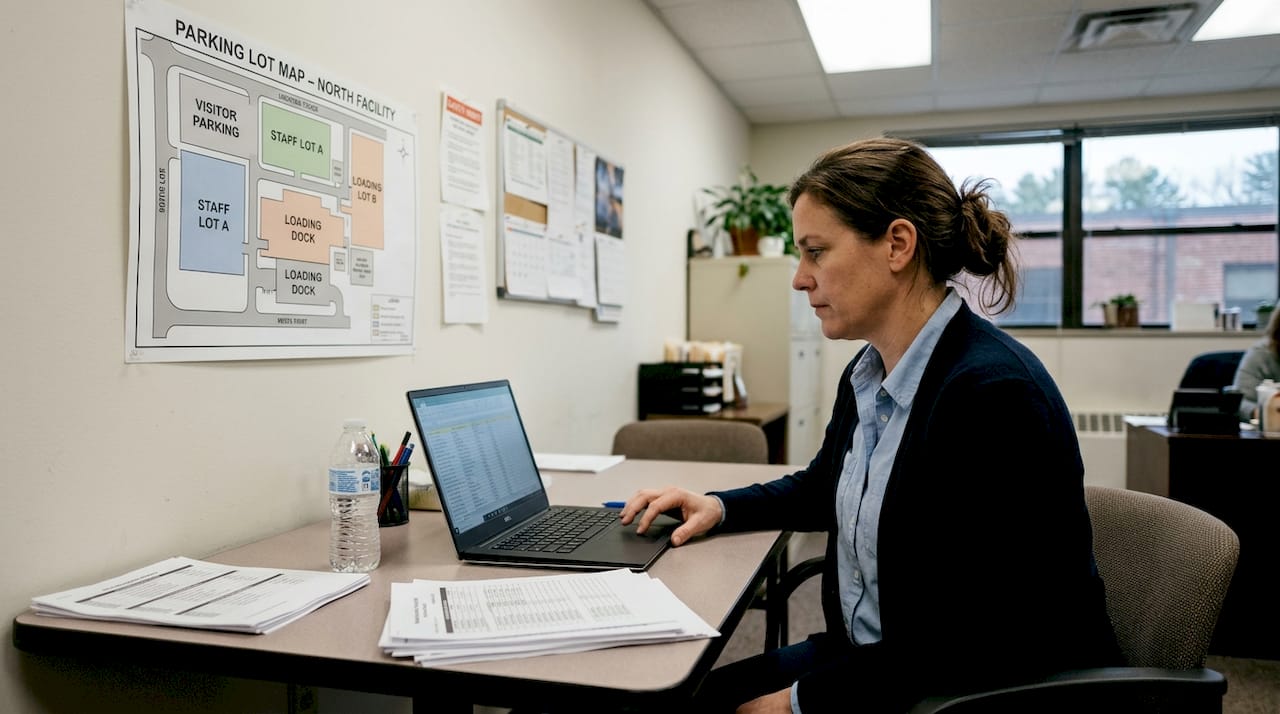
A year-round maintenance schedule reduces emergency repairs and prolongs the lifespan of parking surfaces. That’s not just a general principle. In Edmonton’s climate, it’s the difference between a lot that lasts 25 years and one that needs major work in 10.
Here’s a step-by-step framework for building your plan:
- Conduct a baseline inspection: Walk the entire lot and document every crack, pothole, drainage issue, faded line, and damaged curb. Take photos. This becomes your starting point and your audit trail.
- Prioritize by risk: Safety hazards come first. Potholes near pedestrian paths, blocked drains, and missing accessible parking markings should be addressed immediately.
- Build a seasonal task calendar: Assign specific tasks to each season based on what Edmonton’s climate demands.
- Assign responsibility: Decide which tasks your in-house team can handle and which require a licensed contractor. Be honest about skill level and equipment availability.
- Set a maintenance budget: Use your inspection data to estimate annual costs. Factor in both routine tasks and a reserve for unexpected repairs.
- Document everything: Keep records of every service, inspection, and repair. This protects you legally and helps you track whether your plan is working.
Here’s a sample seasonal schedule built for Edmonton conditions:
| Season | Key tasks | Priority level |
|---|---|---|
| Spring (April-May) | Pothole repair, crack filling, drainage clearing, full inspection | High |
| Summer (June-August) | Sealcoating, line painting, curb repair, landscaping edging | Medium |
| Fall (September-October) | Pre-winter inspection, drain clearing, surface sealing | High |
| Winter (November-March) | Snow and ice removal, sand/salt management, damage monitoring | Critical |
Knowing when to call in professionals versus handling tasks in-house is one of the most important decisions in your plan. Sweeping, litter removal, and basic visual inspections are reasonable in-house tasks. Crack filling, sealcoating, line painting, and pothole repair almost always produce better results when handled by a contractor with the right equipment and materials. Check for asphalt repair signs regularly so you know when professional intervention is needed.
Pro Tip: A documented maintenance log is one of the most underused tools in property management. If you ever face an insurance claim or a municipal inspection, that log is your best defense.
Common challenges and mistakes in parking lot maintenance
Having a formal plan is crucial, but understanding and avoiding the most frequent mistakes can make all the difference.
Failure to address minor cracks and drainage issues early leads to major repair bills. This is the single most consistent pattern we see in Edmonton commercial properties. A crack that costs $50 to fill in May becomes a pothole that costs $500 to repair in September and a full panel replacement that costs $5,000 by the following spring.
Here are the most common mistakes property managers make, and how to avoid them:
- Delaying small repairs: Every week of delay in Edmonton’s climate adds risk. The freeze-thaw cycle doesn’t wait for budget approval cycles. Build a small emergency repair fund so you can act fast.
- Ignoring drainage: Water is the number one enemy of pavement. Blocked catch basins and poor lot grading cause water to pool, which softens the base layer and creates structural failure from below. You may not see the damage until it’s already severe.
- Using the wrong materials: Not all crack fillers and patching compounds are rated for Alberta’s temperature range. Using a product that’s not designed for extreme cold will cause it to fail within one winter season.
- Aggressive snow removal methods: Steel plow blades set too low, excessive salt application, and the wrong de-icing chemicals can strip sealcoating, widen existing cracks, and corrode concrete surfaces. Work with contractors who understand pavement-safe removal methods.
- Poor contractor communication: Even a solid plan fails if your contractor doesn’t know your priorities, your surface type, or your scheduling constraints. A written scope of work and regular check-ins prevent most coordination problems.
- Skipping fall inspections: Fall is the most important inspection window of the year. It’s your last chance to address damage before winter locks it in and makes it worse.
The concrete repair guide outlines specific repair approaches for concrete surfaces, which behave differently from asphalt under Edmonton’s freeze-thaw conditions. Using asphalt patching methods on a concrete lot is a common and costly mistake.
Pro Tip: Ask your snow removal contractor specifically what blade type and de-icing products they use. If they can’t answer clearly, that’s a red flag worth taking seriously before winter hits.
Staff turnover is another underrated challenge. When the person who knows your maintenance schedule leaves, that institutional knowledge often walks out with them. Keep your maintenance plan written, stored centrally, and reviewed annually so it survives personnel changes.
Why proactive parking lot maintenance pays off in Edmonton
With the common mistakes behind us, here’s the candid truth from years of managing Edmonton properties.
Most property managers mentally file parking lot maintenance under “necessary expense” and look for ways to minimize it. That framing is costing them money. When you look at the actual numbers, prioritizing maintenance functions more like a profit multiplier than a cost center.
Past neglect consistently costs three to four times more in emergency repairs and insurance claims than a steady maintenance program would have. We’ve seen lots where a $3,000 annual maintenance budget would have prevented a $40,000 resurfacing project. That math isn’t unusual. It’s the norm.
Edmonton’s climate makes this especially true. Other cities deal with pavement wear. Edmonton deals with pavement war, where extreme cold, heavy snow loads, abrasive sand and salt, and aggressive freeze-thaw cycles all attack your surface simultaneously. A lot that might last 30 years in a milder climate needs active defense here to reach even 20 years without major intervention.
There’s also the compliance angle that rarely gets discussed. Municipal codes and insurance policies increasingly require documented maintenance records for commercial properties. A lot that can’t demonstrate regular upkeep may face higher premiums, failed inspections, or liability exposure that a well-documented program would have prevented.
The property managers who get this right treat maintenance as a scheduled investment, not a reactive expense. They budget for it annually, document it consistently, and partner with contractors who understand Edmonton’s specific demands. The result is lower long-term costs, better tenant relationships, and a property that holds its value.
Upgrade your lot with expert parking maintenance solutions
Now that you understand the stakes, here’s how to keep your property safe and appealing with the right partner.
At ProZone Ltd, we work with commercial property managers across Edmonton who are done guessing and ready for a structured, professional approach to lot care. Whether you need asphalt repair professionals to address damage from last winter or want to set up a year-round service contract that covers everything from spring crack filling to winter snow removal, we build programs around your property’s specific needs and Edmonton’s specific climate.
Our team handles scheduling, documentation, and seasonal transitions so you don’t have to manage every detail yourself. We use materials rated for Alberta’s temperature range and methods that protect your surface rather than accelerate its wear. Getting started is straightforward: contact us for a site assessment and we’ll build a maintenance plan that fits your lot, your budget, and your timeline.
Frequently asked questions
What does parking lot maintenance typically cost in Edmonton?
Preventative maintenance is consistently less expensive than emergency repairs, and annual costs vary based on lot size, surface type, and service frequency. A properly maintained mid-size commercial lot typically runs a fraction of what a single resurfacing project would cost.
How often should parking lots be maintained?
A year-round proactive schedule delivers the best results, with seasonal inspections at minimum and immediate attention to any new damage as it appears. In Edmonton’s climate, waiting until spring to address fall damage almost always makes the problem worse.
Can I perform maintenance in-house or should I hire professionals?
Basic tasks like sweeping and visual inspections work well in-house, but crack filling, sealcoating, and seasonal prep produce better and longer-lasting results when handled by professional services with the right equipment and materials.
What are common maintenance mistakes to avoid?
Failure to address minor cracks early and neglecting drainage are the two mistakes that most consistently lead to major structural damage and expensive repairs in Edmonton commercial lots.