
TL;DR:
- Site excavation involves the controlled removal of soil, rock, and debris to prepare a stable foundation for construction or landscaping. Proper sequencing, safety compliance, and understanding local soil conditions are essential to prevent structural failures and ensure project longevity in Edmonton. Engaging certified professionals who adhere to safety codes and verify soil bearing capacity is crucial for successful earthworks.
Site excavation is defined as the controlled removal of soil, rock, and debris from a designated area to prepare a stable, level base for construction or landscaping work. In the construction industry, this process is formally referred to as earthworks or ground preparation, and it forms the foundation of every project from residential builds to municipal infrastructure. Without proper site excavation, no structure can achieve the bearing capacity or drainage performance required for long-term durability. For Edmonton property owners and project managers, understanding the excavation process explained in full, including local soil conditions and Alberta safety requirements, is the difference between a project that lasts decades and one that fails within years.
What is site excavation and why does it matter?
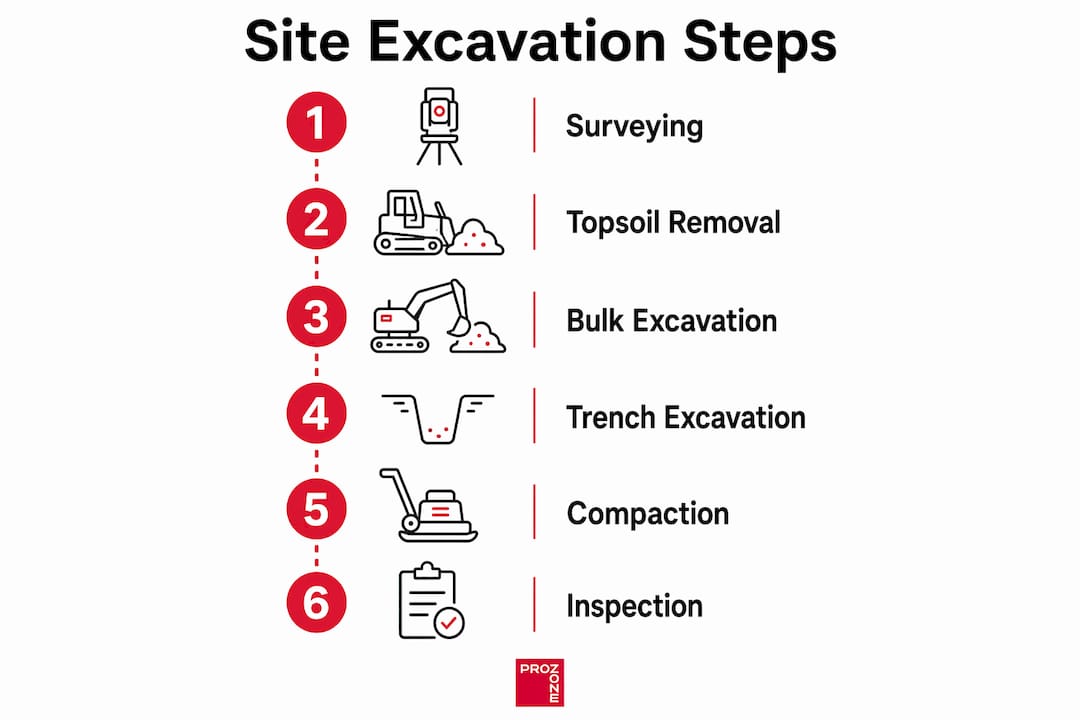
Site excavation involves far more than moving dirt. The process encompasses site surveying, topsoil stripping, bulk soil removal, trench cutting, soil testing, compaction, drainage management, backfilling, and final grading before any concrete or structural work begins. Each phase is interdependent. Skipping or rushing compaction, for example, increases foundation failure risk through uneven settlement and moisture infiltration beneath slabs.
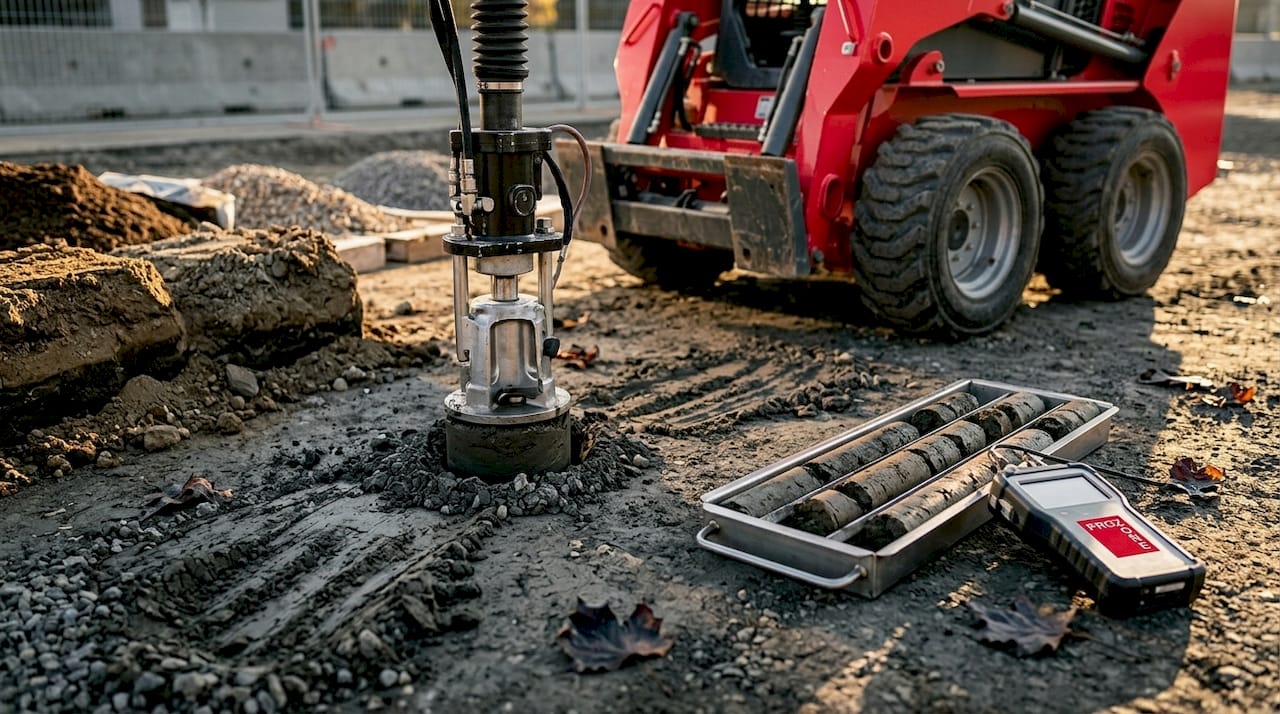
The importance of site excavation becomes clear when you consider what sits below every building in Edmonton: a subgrade that must support decades of load, freeze-thaw cycling, and groundwater movement. Excavation creates the geometry and soil conditions that make this possible. Without verified bearing capacity and proper drainage gradients established during excavation, structural problems are not a risk. They are a certainty.
Named entities central to this process include excavators, backhoes, soil compactors, shoring systems, and geotechnical engineers. Each plays a defined role. Excavators and backhoes remove material at scale; soil compactors achieve the density specifications set by a geotechnical engineer; shoring systems protect workers and adjacent structures during deep cuts.
What are the main steps in the site excavation process?
A complete excavation workflow follows a precise sequence from initial survey through to pre-pour inspection. Deviating from this order generates costly rework and, in some cases, safety incidents that halt the entire project.
The standard sequence is as follows:
- Site survey and geotechnical investigation. A licensed surveyor and geotechnical engineer assess soil type, groundwater depth, and existing utility locations before any machine touches the ground.
- Site clearing. Vegetation, debris, and surface obstructions are removed. Trees with deep root systems require stump grinding to eliminate voids that would otherwise cause settlement.
- Topsoil stripping. The organic topsoil layer, typically 150 to 300 mm deep in the Edmonton region, is stripped and stockpiled separately for reuse in final grading or landscaping.
- Bulk excavation. Heavy machinery removes large volumes of soil across the entire building footprint. Bulk excavation uses heavy machinery for large soil volumes and establishes the primary depth of the excavation.
- Trench excavation. Precision cuts are made for footings, utility conduits, drainage pipes, and service connections. Trench excavation is depth-controlled and requires tighter tolerances than bulk work.
- Soil testing and dewatering. Laboratory or field tests confirm bearing capacity. If groundwater is present, dewatering pumps are deployed before compaction begins.
- Compaction. Mechanical compactors achieve the specified soil density. This step directly determines whether the subgrade can carry the design load without settlement.
- Drainage management and backfilling. Drainage gradients are established, perimeter drains installed where required, and excavated material or imported fill is placed in controlled lifts.
- Final grading and pre-pour inspection. The subgrade is brought to design elevation, and a qualified inspector verifies compaction results and surface geometry before concrete placement proceeds.
Pro Tip: Never sequence bulk excavation and trench cutting on the same day without a clear demarcation plan. Trench walls cut into freshly disturbed bulk-excavated soil are significantly more prone to collapse than those cut into undisturbed ground.
What safety regulations govern site excavation in Alberta?
Alberta follows federal occupational health and safety regulations that set legally binding requirements for excavation work. Canadian safety regulations require cave-in protection such as shoring, sloping, or shielding for any excavation deeper than 1.4 metres. This threshold is not a guideline. It is a legal minimum, and non-compliance exposes employers to significant liability under Alberta’s Occupational Health and Safety Act.
Qualified supervision is mandatory during the installation and removal of shoring and bracing systems. This means a competent person with demonstrated knowledge of soil behaviour and structural loading must be present on site during these operations. Delegating this responsibility to an unqualified labourer is a common and dangerous shortcut taken by underprepared contractors.
The essential safety precautions for any excavation project in Alberta include:
- Utility locating before any digging. Pipes, cables, and conduits must be marked before work begins. Alberta One-Call (now Utility Safety Partners) provides this service and its use is legally required.
- Barricades and exclusion zones. Physical barriers must surround all open excavations to prevent falls and unauthorised access.
- Spoil pile setback. Excavated materials must be kept at least 1 metre from excavation edges to reduce surcharge loading and cave-in risk.
- Shoring for deep excavations. Any cut exceeding 1.4 metres requires engineered shoring, sloping to a safe angle, or a trench shield system.
- Daily hazard inspections. A competent person must inspect the excavation at the start of each shift and after any event that could affect stability, including rainfall or frost thaw.
How do Edmonton’s soil conditions and climate affect excavation methods?
Edmonton sits on a glacial till and lacustrine clay geology that behaves very differently from sandy or gravelly soils found in other parts of Alberta. Clay-rich soils have low permeability, high plasticity, and significant volume change potential when moisture content shifts. This makes them particularly susceptible to frost heave and consolidation settlement, both of which directly affect excavation design and foundation performance.
The freeze-thaw cycle in Edmonton is a primary engineering constraint. Freeze-thaw cycles cause volume changes in saturated soils, and without proper drainage and compaction, this movement translates into heaved slabs, cracked footings, and failed retaining structures. Excavation designs in Edmonton must account for frost depth, which typically reaches 1.8 to 2.4 metres below grade, meaning foundations must be placed below this threshold to avoid seasonal movement.
| Soil type | Frost susceptibility | Compaction behaviour | Drainage characteristic |
|---|---|---|---|
| Glacial till (mixed) | Moderate | Good with moisture control | Moderate permeability |
| Lacustrine clay | High | Difficult, moisture-sensitive | Low permeability |
| Sandy fill | Low | Excellent | High permeability |
| Organic topsoil | Very high | Not suitable as subgrade | Variable |
Geotechnical investigations and professional engineering are not optional extras on Edmonton projects. They are the mechanism by which excavation dimensions, compaction specifications, and drainage designs are determined. A geotechnical report from a firm such as Thurber Engineering or EBA Engineering Consultants provides the subgrade bearing capacity values that structural engineers use to size footings and slabs.
Pro Tip: Request a geotechnical report that includes both summer and post-thaw soil conditions. Spring excavation in Edmonton often reveals subgrade that tested adequately in autumn but has lost significant bearing capacity after a wet freeze-thaw season.
What are the common types of site excavation?
Understanding the types of site excavation helps project managers select the right method for each phase of work and budget accordingly. Each type serves a distinct purpose and requires different equipment, tolerances, and finish criteria.
| Excavation type | Primary purpose | Typical depth | Equipment used | Finish criteria |
|---|---|---|---|---|
| Bulk excavation | Remove large soil volumes for building footprints | 1.5 to 5+ metres | Excavator, dump trucks | Rough grade to design elevation |
| Trench excavation | Install utilities, footings, drainage | 0.5 to 3 metres | Backhoe, mini excavator | Precise depth and width to drawing spec |
| Grading and cut/fill | Establish drainage gradients and level surfaces | 0 to 600 mm | Motor grader, dozer | Smooth, compacted surface to survey grade |
| Foundation excavation | Create bearing surface for footings and piles | 1.8 to 4+ metres | Excavator with GPS bucket | Verified bearing capacity by inspection |
Bulk excavation drives the largest portion of earthworks cost on commercial projects because of the volume of material hauled off site. Trench excavation, while smaller in volume, is more labour-intensive per cubic metre due to the precision required and the shoring obligations triggered once depth exceeds 1.4 metres. Grading work is often underestimated in landscaping projects, yet it determines whether surface water drains away from structures or pools against foundations.
For landscaping projects in Alberta, grading and shallow trench excavation are the most common types, used to install irrigation systems, retaining walls, and drainage swales. The same compaction and inspection principles that apply to commercial construction apply here, particularly given Edmonton’s frost depth requirements.
How to plan and coordinate site excavation effectively
Effective excavation project management begins well before a machine arrives on site. The planning phase determines whether the project runs on schedule or accumulates delays and change orders. A detailed site preparation workflow covers the coordination steps that prevent the most common and costly excavation problems.
Use this planning checklist before excavation begins:
- Obtain a current utility locate from Utility Safety Partners and confirm all markings are visible on site.
- Commission a geotechnical investigation and receive a written report with bearing capacity and compaction specifications.
- Confirm all required permits are in place, including development permits and any municipal grading approvals.
- Coordinate excavation start dates with concrete, framing, and mechanical trades to avoid site congestion and sequencing conflicts.
- Establish a spoil disposal plan, including haul routes, disposal site approvals, and any requirements for contaminated soil testing.
- Identify dewatering requirements based on the geotechnical report and seasonal groundwater data.
- Confirm that the excavation contractor holds current Alberta Safety Codes certification and carries adequate liability insurance.
Coordinating excavation timing with utility locating and site access logistics is not merely a safety obligation. It is the single most effective way to prevent the unplanned stoppages that inflate project costs. On busy Edmonton commercial sites, a one-day delay caused by an unmarked utility strike can cascade into a week of schedule disruption across multiple trades.
Environmental considerations also apply. Alberta Environment and Protected Areas may require erosion and sediment control measures, particularly for sites near watercourses or in areas with unstable soils. These requirements should be identified during the permit phase, not discovered mid-excavation.
ProZone’s perspective on excavation quality in Edmonton
After years of managing earthworks projects across Edmonton and the surrounding region, the pattern is consistent: the projects that fail do not fail because of bad concrete or poor framing. They fail because the ground beneath them was never properly prepared. Inadequate soil testing, ignored frost depth requirements, and compaction that was never verified by a qualified inspector are the root causes of the foundation cracks, heaved slabs, and drainage failures that generate expensive remediation work years later.
The most common mistake made by property owners and inexperienced project managers is treating excavation as a commodity task. Any machine can move dirt. Not every contractor understands Edmonton’s lacustrine clay behaviour, knows when to call a geotechnical engineer back to site, or follows Alberta Safety Codes without being prompted. The difference between a contractor who slopes trench walls correctly and one who does not is the difference between a safe site and a fatality.
ProZone maintains its quality standard by adhering strictly to Alberta Safety Codes on every project, requiring geotechnical sign-off before compaction is accepted, and using certified operators on all earthworks equipment. These are not marketing claims. They are the minimum standard for work that will be buried under a structure expected to last 50 years. When you are evaluating excavation contractors in Edmonton, ask for their safety programme documentation and their process for verifying subgrade bearing capacity. The answers will tell you everything you need to know.
— ProZone
Work with ProZone for expert site excavation in Edmonton
ProZone delivers certified site excavation services across Edmonton and the surrounding region, with a team that understands Alberta Safety Codes, local soil conditions, and the freeze-thaw demands that define construction quality in this climate. From bulk and trench excavation through to final grading and compaction verification, ProZone manages every phase of the earthworks process to the standard your project requires. Whether you are planning a commercial foundation, a municipal infrastructure upgrade, or a landscaping overhaul, ProZone’s project managers bring the geotechnical knowledge and certified equipment to get the subgrade right the first time. Contact ProZone today through the online form or call directly for a free project estimate.
FAQ
What is the site excavation definition in construction?
Site excavation is the controlled removal of soil, rock, and debris from a designated area to prepare a stable subgrade for foundations, utilities, or landscaping. The process includes surveying, clearing, bulk removal, trench cutting, compaction, and inspection before any structural work begins.
How deep does excavation need to be in Edmonton?
Foundation excavations in Edmonton must extend below the frost depth, which typically ranges from 1.8 to 2.4 metres below grade, to prevent seasonal heave caused by freeze-thaw cycling in clay-rich soils. Geotechnical investigation confirms the exact depth required for each specific site.
What safety rules apply to excavation work in Alberta?
Canadian occupational safety regulations require cave-in protection such as shoring or sloping for any excavation deeper than 1.4 metres, mandatory utility locating before digging, and qualified supervision during shoring installation and removal. Spoil piles and equipment must be kept at least 1 metre from excavation edges.
What is the difference between bulk and trench excavation?
Bulk excavation removes large volumes of soil across an entire building footprint using heavy machinery such as excavators and dump trucks, while trench excavation makes precise, depth-controlled cuts for footings, utilities, and drainage pipes. Trench excavation triggers shoring requirements at depths exceeding 1.4 metres and demands tighter tolerances than bulk work.
Why is compaction critical after excavation?
Compaction and pre-pour inspection are the quality control steps that confirm the subgrade can carry the design load without settlement or moisture infiltration. Skipping or inadequately performing compaction is a leading cause of foundation failure, uneven slab settlement, and long-term structural damage.