
TL;DR:
- Proper landscaping can boost Edmonton home values by 10 to 20 percent.
- Site assessment and adherence to city regulations are essential before starting projects.
- Low-maintenance, native plants and simple hardscapes offer the best long-term return.
Choosing the right landscaping improvements in Edmonton is harder than it looks. Between city regulations, short growing seasons, and the pressure to maximize resale value, homeowners face real decisions with real financial consequences. The good news is that landscaping can increase home values by 10 to 20%, and basic lawn care alone delivers a 217% return on investment. That kind of payoff makes every dollar you spend on your yard worth thinking through carefully. In this article, we walk you through the key criteria, the best improvement ideas, material comparisons, and Edmonton’s specific rules so you can make smart choices for your property.
Table of Contents
- Identify key landscaping criteria for Edmonton homes
- Top landscaping improvement ideas for Edmonton homeowners
- Compare landscaping materials and plant choices for Edmonton
- Understand city regulations and practical maintenance tips
- A fresh perspective: What actually boosts curb appeal and value in Edmonton
- Take your Edmonton landscaping to the next level with expert help
- Frequently asked questions
Key Takeaways
| Point | Details |
|---|---|
| Landscaping boosts value | Strategic outdoor improvements in Edmonton can increase your home’s value by up to 20%. |
| Know city rules | Understanding Edmonton’s landscaping regulations helps maximize both curb appeal and compliance. |
| Choose native plants | Selecting native plants reduces maintenance and ensures lasting beauty in Edmonton’s climate. |
| Simple designs work | Universal, clean landscaping layouts have the highest appeal and ROI for local homeowners. |
Identify key landscaping criteria for Edmonton homes
Before you spend a single dollar on plants or pavers, you need to understand what actually drives landscaping success in Edmonton. The city sits in a climate zone that swings from brutal winters to dry, hot summers. That range punishes plants that were not chosen with local conditions in mind. Starting with the right criteria saves you money, time, and a lot of frustration.
Site orientation and sun exposure matter more than most homeowners realize. A north-facing front yard stays shaded and cool, which limits grass growth and favors shade-tolerant ground covers. A south-facing yard bakes in summer and may need drought-resistant plants to survive without constant watering. Walk your property at different times of day and note where the sun hits and where it does not.
Drainage is another factor that separates successful Edmonton landscapes from expensive failures. Spring snowmelt and heavy summer rain can pool in low spots, drowning roots and creating muddy patches that never dry out. Before planting anything, check how water moves across your lot. Grading issues are cheaper to fix before you install a garden bed than after.
Edmonton also has clear rules about what you must plant. For new residential lots, the City requires minimum plantings of 2 trees and 6 shrubs for lots between 8 and 15 meters wide, with installation required within 18 months of occupancy. Knowing this upfront means you can plan around these minimums rather than scrambling to meet them later.
Here are the key criteria every Edmonton homeowner should assess before starting any landscaping project:
- Sun exposure: Map shaded and sunny zones across your yard at different times of day
- Drainage patterns: Identify low spots where water collects after rain or snowmelt
- Soil quality: Edmonton’s clay-heavy soils often need amendment before planting
- Lot width and size: Determines minimum tree and shrub requirements under city rules
- Boulevard space: Separate rules apply to the strip between your sidewalk and the road
- Existing utilities: Know where underground lines run before digging
- Neighbor and street sight lines: Tall plantings near driveways can create safety hazards
Climate-resilient plant selection ties all of these criteria together. Native and hardy species handle Edmonton’s temperature swings with far less intervention. You can review the full scope of landscaping requirements Edmonton homeowners face to make sure your plan checks every box before you break ground. Getting these fundamentals right is what separates a yard that looks great for one season from one that adds lasting value to your home.
Top landscaping improvement ideas for Edmonton homeowners
With your site assessed and city requirements in mind, here are the improvement ideas that deliver the strongest results for Edmonton properties. Not every idea suits every yard, so consider your specific conditions as you read through the list.
- Lawn care and regular maintenance. A healthy, weed-free lawn is still the single highest-return landscaping investment you can make. Basic lawn care delivers 217% ROI, and ongoing maintenance returns 104%. Aerate in fall, overseed thin patches, and fertilize appropriately for Edmonton’s shorter growing season. A green, even lawn signals care and quality to every buyer who drives by.
- Native plant gardens. Replacing high-maintenance turf areas with native plant beds reduces watering, cuts fertilizer costs, and adds visual interest through multiple seasons. Native species like wild bergamot, prairie crocus, and shrubby cinquefoil are adapted to Alberta winters and bounce back reliably each spring.
- Mulching and bed design. Well-defined garden beds with fresh mulch look polished and professional. Mulch retains moisture, suppresses weeds, and insulates roots through Edmonton’s cold snaps. Cedar mulch is a popular choice because it resists compaction and deters insects.
- Strategic outdoor lighting. Low-voltage path lights and uplighting for trees extend the visual appeal of your yard into evening hours. Lighting also improves safety on walkways and steps, which matters especially during Edmonton’s long, dark winters.
- Edging and defined walkways. Clean, crisp edging between lawn and garden beds instantly elevates the look of any yard. Concrete or natural stone walkways add structure and direct foot traffic away from planted areas. These features photograph well and make a strong first impression.
- Water features. Small fountains or recirculating water features add sound and movement to a yard. Keep scale modest, as large water features can actually deter buyers who worry about maintenance costs.
Pro Tip: Focus your budget on the front yard first. Curb appeal is what buyers see before they even step inside, and front yard improvements consistently outperform backyard projects in resale studies.
For a deeper look at how to plan and execute these improvements, the landscape construction Edmonton guide walks through the full process from design to installation. When sourcing materials, working with a reliable supplier makes a real difference in quality and cost. Explore your options for landscaping supplies Edmonton homeowners trust to get projects done right.
Compare landscaping materials and plant choices for Edmonton
Once you have improvement ideas in mind, choosing the right materials and plants becomes crucial. Here is a comparison to help you decide what fits your budget, maintenance tolerance, and Edmonton’s climate.
| Material or plant type | Cost (relative) | Durability | Maintenance level | Best use case |
|---|---|---|---|---|
| Natural stone | High | Excellent | Low | Walkways, patios, edging |
| Concrete pavers | Medium | Very good | Low | Driveways, paths |
| Organic mulch | Low | Moderate (replace every 2 years) | Low | Garden beds |
| Sod grass | Medium | Good | High | Front and back lawns |
| Native plants | Low to medium | Excellent in Edmonton | Very low | Borders, beds, naturalized areas |
| Non-native ornamentals | Medium to high | Variable | Medium to high | Feature plantings |
| Gravel or crushed rock | Medium | Very good | Low | Xeriscaping, dry areas |
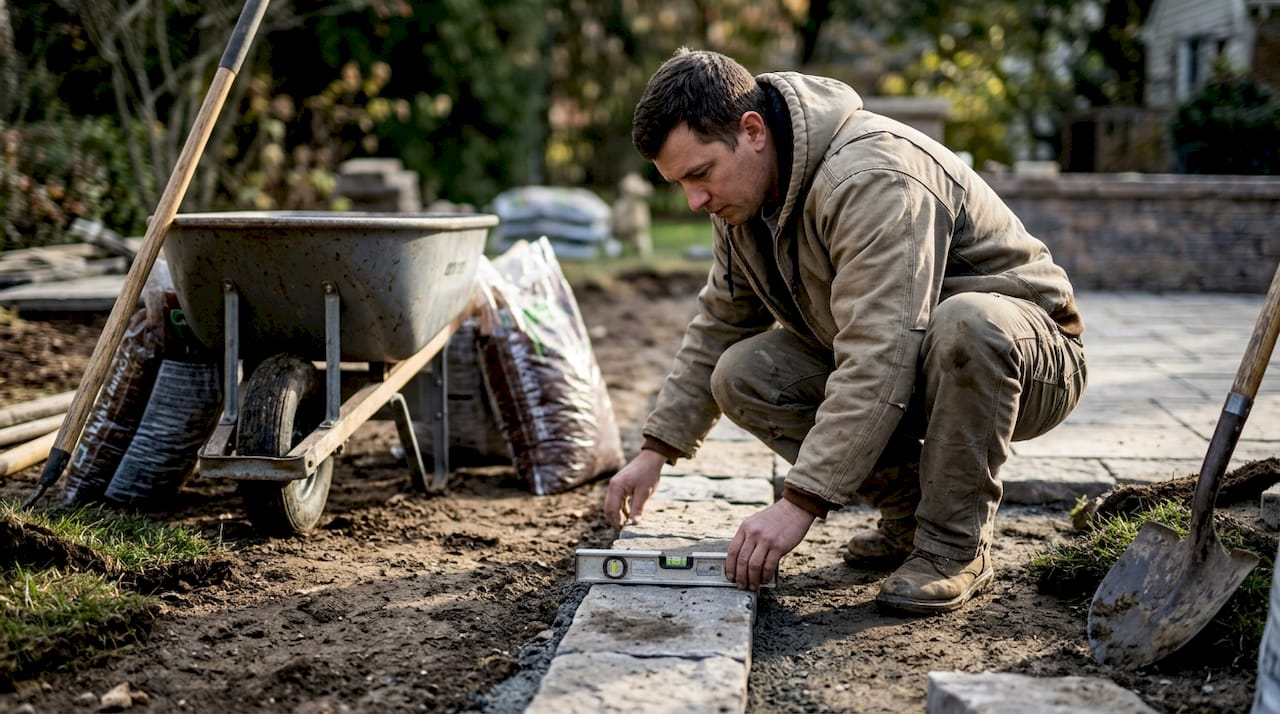
Stone and concrete pavers are the clear winners for hardscape longevity. They handle freeze-thaw cycles well, which is critical in Edmonton where ground movement from frost can crack cheaper materials within a few seasons. The upfront cost is higher, but you rarely need to replace them.
Mulch is the best value for garden beds. It does the most work per dollar: moisture retention, weed suppression, and visual polish. The catch is that it breaks down and needs refreshing every one to two years.
Native plants reduce water and fertilizer needs, support local pollinators, and survive Edmonton winters without the coddling that many non-native ornamentals demand. Non-native species can be beautiful, but they often need extra watering, winter protection, and replacement after harsh seasons.
Here are the key trade-offs to keep in mind when choosing between plant types:
- Native plants establish slowly but cost very little to maintain once settled
- Non-native annuals deliver fast color but must be replanted every year
- Perennials (native or adapted) offer the best long-term value for Edmonton gardens
- Sod gives instant results but requires consistent watering and fertilizing to stay healthy
For commercial and residential projects alike, choosing the right landscaping materials Alberta suppliers offer can make a significant difference in project outcomes. If you want guidance on specific products, the resource on best landscaping materials Edmonton homeowners use covers durability ratings and local availability. For lawn-specific projects, quality sod and topsoil Edmonton suppliers can match your soil conditions and ensure your lawn establishes properly through Edmonton’s short growing window.
Understand city regulations and practical maintenance tips
After narrowing your material and plant choices, keep in mind Edmonton’s specific regulations and practical upkeep advice. Getting this wrong can mean fines, forced removal of plants, or safety hazards that create liability.
Boulevard gardening is one of the most misunderstood areas of residential landscaping in Edmonton. The boulevard is the strip of city-owned land between your sidewalk and the road. Many homeowners assume they can plant whatever they want there. They cannot.
Boulevard gardening requires City approval and prohibits trees, boulders, gravel, and certain plant species. You are also responsible for maintaining boulevard plantings to prevent hazards to pedestrians and drivers.
Here is a quick reference for Edmonton landscaping rules and maintenance responsibilities:
| Area | City rules | Homeowner responsibility |
|---|---|---|
| Front yard | Minimum tree and shrub counts for new builds | Maintain to prevent overgrowth onto sidewalks |
| Boulevard | Requires City approval; no trees, boulders, gravel | Maintain plantings; remove hazards |
| Backyard | Fewer restrictions; fencing rules apply | General upkeep; drainage must not affect neighbors |
| Tree removal | Permit may be required for large trees | Stump removal and replacement may be required |
Practical year-round maintenance makes a bigger difference than any single improvement project. Here are the habits that keep Edmonton yards looking sharp through every season:
- Spring: Rake debris, aerate the lawn, edge garden beds, and apply fresh mulch
- Summer: Water deeply but infrequently, deadhead flowers, and trim shrubs after blooming
- Fall: Overseed thin lawn patches, plant spring bulbs, and cut perennials back before frost
- Winter: Avoid using salt-based ice melt near garden beds, as it damages soil and plants
Pro Tip: Keep a simple maintenance log for your yard. Noting when you fertilized, watered, or pruned helps you spot patterns and avoid repeating mistakes season after season.
For installation projects, following a proper installation guide Alberta professionals use ensures your hardscape and softscape elements are built to last through freeze-thaw cycles. Clean, well-maintained edging options Edmonton homeowners choose also play a big role in keeping beds tidy with minimal ongoing effort.
A fresh perspective: What actually boosts curb appeal and value in Edmonton
Here is something most landscaping articles will not tell you: the most expensive, personalized yard on the block is often the hardest to sell.
Edmonton’s real estate market rewards yards that appeal to the widest range of buyers, not the most creative ones. A koi pond, a formal rose garden, or an elaborate water feature might reflect your taste perfectly. But to a buyer, those features look like work. They see maintenance costs, liability, and weekend obligations before they see beauty.
Simple, universal designs appeal to more buyers and consistently outperform highly personalized projects in resale value studies. A clean lawn, defined beds with low-maintenance plants, and a tidy walkway will beat a complex garden almost every time when it comes to what buyers will actually pay for.
The homeowners we see making the most common mistakes in Edmonton are the ones who invest heavily in features that suit their lifestyle but not the market. They over-plant, over-design, and over-spend on things that future buyers will want removed.
Our advice, drawn from years of working on Edmonton properties, is to think like a buyer from day one. Choose plants and materials that look good with minimal effort. Keep hardscape simple and well-built. Prioritize the front yard. And before you start any major project, browse the landscaping project gallery to see what well-executed, market-ready landscaping actually looks like in this city. Less truly is more when your goal is maximum return on investment.
Take your Edmonton landscaping to the next level with expert help
If you want your improvements to be stress-free and compliant, connecting with local experts makes the whole process easier. ProZone Ltd works with Edmonton homeowners on everything from material supply to full installation, helping you navigate city requirements and choose solutions that hold up through Alberta’s demanding seasons.
Whether you need guidance on compliant boulevard plantings, quality materials for a new garden bed, or help with hardscape installation, the team at ProZone brings hands-on experience to every project. Explore the full range of Edmonton construction services available for residential clients, or get started with specific infrastructure work like curb and sidewalk repair that complements your landscaping improvements. Reach out through prozoneltd.ca to discuss your project and get a clear plan that fits your budget and your goals.
Frequently asked questions
How much can landscaping improvements increase my Edmonton home’s value?
Well-designed landscaping adds 10 to 20% to your Edmonton home’s value, with basic lawn care consistently delivering the strongest return on investment among all landscaping categories.
What are the minimum landscaping requirements for new homes in Edmonton?
New homes must typically have at least 2 trees and 6 shrubs for lots between 8 and 15 meters wide, with installation required within 18 months of occupancy.
Can I plant anything I want in Edmonton boulevard gardens?
No. Boulevard gardens require City approval and cannot include trees, boulders, gravel, or certain plant species, and homeowners remain responsible for ongoing maintenance.
Are native plants better for Edmonton landscaping?
Native plants use less water and fertilizer and are far more resilient to Edmonton’s winters than most non-native ornamental species, making them the smarter long-term choice for most yards.