
TL;DR:
- Porcelain pavers and concrete pavers are the most durable options for Edmonton’s climate, resisting freeze-thaw damage when properly installed.
- Outdoor surfaces near water must meet at least a slip resistance rating of R10 to ensure safety, especially on pool decks.
Outdoor surfaces are defined as any ground-level or elevated material used to cover patios, driveways, walkways, pool decks, and landscaped areas. The types of outdoor surfaces best suited to Edmonton properties include porcelain pavers, natural stone, concrete, composite decking, gravel, and permeable pavers. Each material performs differently under Alberta’s freeze-thaw cycles, which can shift from below freezing in winter to warm summers within weeks. Choosing the wrong surface leads to cracking, heaving, and costly repairs within just a few seasons.
1. What are the top types of outdoor surfaces for Edmonton properties?
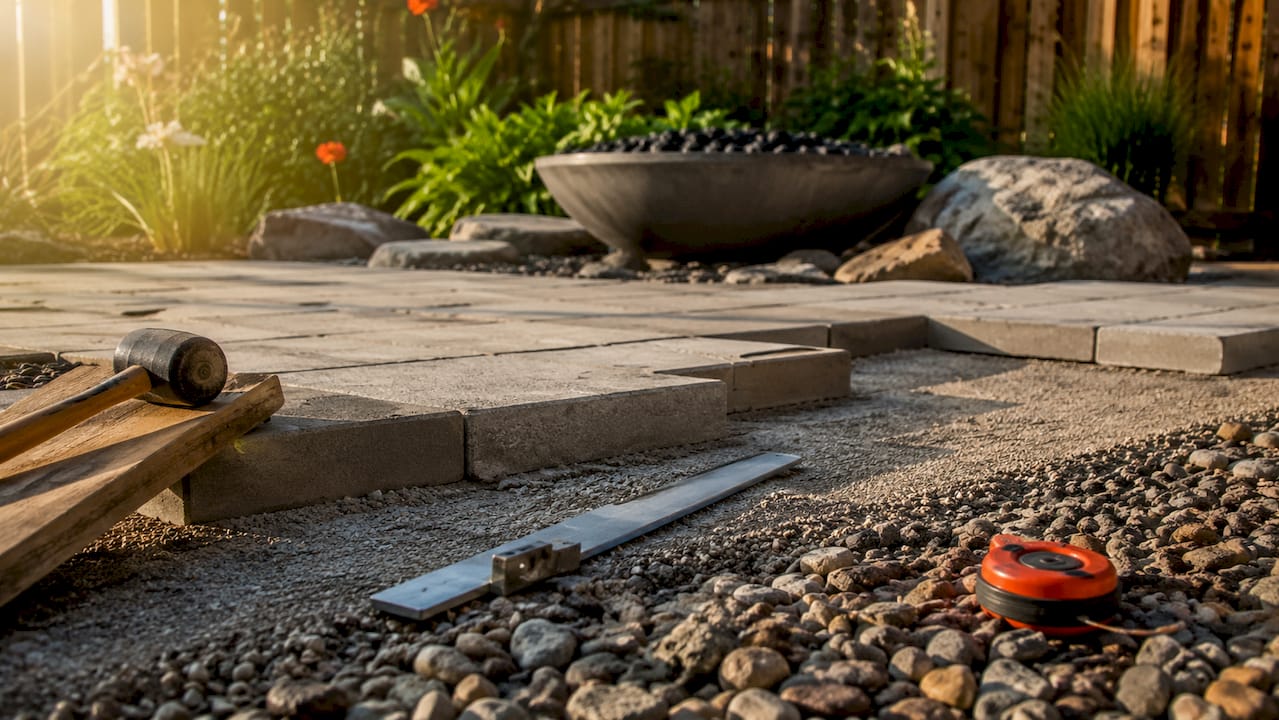
The most durable outdoor flooring options for Edmonton fall into two broad categories: natural surface choices and man-made outdoor surfaces. Natural materials include flagstone, bluestone, and travertine. Man-made options include porcelain pavers, concrete, composite decking, and rubber paving.
Here is a breakdown of the leading materials:
- Porcelain pavers: Non-porous and stain resistant, porcelain pavers typically come in 20-millimetre thickness. That thickness makes them capable of handling freeze-thaw cycles without sealing. They resist fading and mould, making them one of the lowest-maintenance hardscape surface options available.
- Natural stone (flagstone, bluestone, travertine): Premium appeal with lifetime durability when installed correctly. Natural stone requires periodic sealing and expert installation. It carries a higher material and labour cost than most alternatives.
- Concrete (stamped, poured, pavers): Versatile and cost-effective, concrete suits patios, driveways, and walkways. Sealing and proper base preparation reduce cracking risk significantly. Stamped concrete offers a wide range of colours and patterns at a lower price point than natural stone.
- Wood decking: Traditional pressure-treated lumber works for ground-level and elevated decks. It requires annual sealing or staining to prevent rot and splintering in Edmonton’s wet spring conditions.
- Composite decking: Resists rot and splintering better than natural wood. Available in multiple colours, with textured surfaces for grip. Maintenance is minimal compared to timber.
- Gravel and permeable pavers: Permeable surfaces manage stormwater runoff effectively and reduce strain on drainage systems. Gravel is the most affordable landscaping surface idea for low-traffic areas. Permeable pavers combine drainage function with a clean, finished appearance.
For a broader look at how these fit into construction planning, the 2026 construction materials guide from Prozoneltd covers material selection across project types.
2. How do installation methods vary across outdoor surface types?
Installation requirements differ significantly between surface categories. Getting the foundation right is the single most important factor in long-term performance, especially in Edmonton where ground movement from frost is common.
- Compacted aggregate base for pavers and driveways: Driveway paver installations require a minimum 8 to 12 inches of compacted base to prevent settling under vehicle weight. Skipping this step is the most common cause of premature surface failure.
- Paver unit thickness for vehicle areas: Pavers in driveways must be at least 2 and 3/8 inches thick to handle vehicle loads. Pedestrian-only areas can use thinner units without structural risk.
- Natural stone installation methods: Flagstone and travertine can be set in sand, gravel, or mortar. Dry-lay methods allow for easier repairs but require more precise grading. Mortar-set installations are more rigid and better suited to formal settings.
- Wood and composite decking attachment: Elevated decks require lightweight materials attached to framing. Heavy stone or pavers are not structurally compatible with most deck framing systems. Composite boards attach with hidden fasteners for a clean finish.
- Permeable base systems: Permeable pavers rely on a layered gravel base that allows water to pass through to the soil below. This system reduces surface pooling and is increasingly preferred in Edmonton’s urban residential and commercial projects. Prozoneltd’s guide on permeable pavement in Edmonton explains the installation process in detail.
Pro Tip: Always confirm that your contractor compacts the aggregate base in lifts of no more than 4 inches at a time. Single-pass compaction on deep fills leaves voids that collapse under load within one or two freeze-thaw seasons.
3. What safety and maintenance factors matter most for outdoor surfaces?
Safety is the most overlooked factor in outdoor surface selection. A beautiful surface that becomes slippery when wet creates liability for property managers and physical risk for users.
Key safety and maintenance considerations include:
- Slip resistance ratings: Outdoor-rated tiles must meet or exceed R10 for wet conditions. Polished stone finishes fall below this threshold and become hazardous near pools or in rain.
- Textured finishes: Brushed, tumbled, or sandblasted finishes increase traction. Texture is more critical than material type when selecting surfaces near water features or pool decks.
- Surface heat absorption: Dark-coloured pavers absorb significantly more heat than light-coloured alternatives. Light travertine and limestone reflect heat better than dark porcelain or concrete, reducing barefoot discomfort in summer.
- Sealing and cleaning: Concrete and natural stone benefit from sealing every two to three years. Porcelain pavers require no sealing but benefit from annual cleaning to remove organic buildup.
- Freeze-thaw performance: Porous materials like unsealed sandstone absorb water, which expands during freezing and causes surface spalling. Non-porous materials like porcelain and sealed concrete resist this damage cycle.
Pool deck surfaces must prioritise both slip resistance and cool surface temperatures. Tumbled travertine, textured porcelain, and rubber tiles are the safest choices for barefoot areas near water.
Pro Tip: When specifying surfaces for commercial properties in Edmonton, request the manufacturer’s R-rating certificate before purchase. Verbal assurances from suppliers are not sufficient for liability protection under Alberta Safety Codes.
For rubber paving as a safety-focused alternative, Prozoneltd’s overview of rubber paving options covers performance and installation details.
4. How do outdoor surface types compare in cost, longevity, and suitability?
Selecting the right material requires balancing upfront cost against lifespan, maintenance demands, and climate suitability. The table below provides a direct outdoor surface types comparison for Edmonton conditions.
| Material | Relative cost | Estimated lifespan | Maintenance level | Best use |
|---|---|---|---|---|
| Porcelain pavers | Medium-high | 30+ years | Low | Patios, pool decks |
| Natural stone | High | Lifetime | Medium | Patios, walkways |
| Stamped concrete | Medium | 15–25 years | Medium | Driveways, patios |
| Concrete pavers | Medium | 20–30 years | Low-medium | Driveways, walkways |
| Composite decking | Medium | 25–30 years | Low | Elevated decks |
| Natural wood decking | Low-medium | 10–15 years | High | Ground-level decks |
| Gravel | Low | Ongoing | Low | Pathways, borders |
| Permeable pavers | Medium-high | 20–30 years | Low | Driveways, urban lots |
Porcelain pavers and natural stone deliver the best long-term value for patios and pool areas, where aesthetics and safety matter most. Concrete pavers offer the strongest balance of cost and durability for driveways. Gravel remains the most practical and affordable choice for low-traffic landscaping surface ideas like garden borders and informal pathways.
Combining materials often produces the best results. A concrete paver driveway paired with a porcelain patio and gravel garden borders gives you durability where it counts, visual contrast, and cost control. Prozoneltd’s outdoor landscaping materials guide covers material pairing strategies specific to Edmonton properties.
For concrete-specific decisions, the concrete finishes guide for Alberta projects provides detailed finish options and their performance characteristics.
Expert perspective: what Edmonton’s climate actually demands from outdoor surfaces
Balancing architectural beauty with technical resilience is the core challenge of outdoor surface selection. Most property managers focus on aesthetics first and discover the technical limitations only after the first hard winter.
Edmonton’s freeze-thaw cycle is more aggressive than most Canadian cities. Ground temperatures can shift dramatically between november and april, and surfaces that perform well in Vancouver or Toronto fail prematurely here. The single most reliable predictor of surface longevity is base preparation quality, not the surface material itself. A premium porcelain paver installed over a poorly compacted base will fail faster than a basic concrete paver on a properly prepared 10-inch aggregate base.
Slip resistance near water is consistently underspecified on residential projects. Property managers who specify R10 or higher ratings for pool decks and wet entry areas avoid the liability exposure that comes with polished or smooth-finish materials. The slip prevention guide from MOSAIC Eco-construction Solutions reinforces this point with detailed safety criteria.
Permeable paving deserves more attention than it currently receives in Edmonton’s commercial sector. It manages stormwater at the source, reduces load on municipal drainage, and qualifies for consideration under green building programmes. The upfront cost premium over standard pavers is modest compared to the long-term drainage infrastructure savings.
Surface temperature is the most overlooked comfort factor. A dark charcoal porcelain patio looks striking in a showroom but becomes painful to walk on barefoot in july. Specifying light-coloured materials or surfaces with cool-touch technology is a simple decision that significantly improves usability.
— ProZone
How Prozoneltd supports Edmonton property managers with outdoor surface projects
Prozoneltd delivers professional outdoor surface construction and infrastructure maintenance across Edmonton and the surrounding region, in full compliance with Alberta Safety Codes. Whether you are managing a commercial property, a municipal site, or a private development, ProZone’s project teams bring verified expertise in concrete, asphalt, pavers, earthworks, and permeable surface systems. Every installation starts with proper site preparation, using quality materials that meet or exceed provincial standards. Substandard base preparation and unrated materials are the two most common failures ProZone corrects on remediation projects. Explore the full range of Edmonton construction services or contact ProZone directly for a free estimate through the online form.
FAQ
What outdoor surface is most durable for Edmonton’s climate?
Porcelain pavers and concrete pavers are the most durable choices for Edmonton. Both resist freeze-thaw damage when installed over a properly compacted aggregate base.
What slip resistance rating should outdoor surfaces meet?
Outdoor surfaces in wet areas must meet a minimum R10 slip resistance rating. Pool decks and surfaces near water features should use tumbled travertine, textured porcelain, or rubber tiles.
How deep should the base be for a paver driveway?
Driveway paver installations require 8 to 12 inches of compacted aggregate base. Paver units must be at least 2 and 3/8 inches thick to support vehicle weight without settling.
Are permeable pavers a good choice for Edmonton properties?
Permeable pavers are an excellent choice for managing stormwater runoff on Edmonton lots. They reduce drainage system strain and are increasingly specified in urban residential and commercial projects.
What is the lowest-maintenance outdoor flooring option?
Porcelain pavers require no sealing and resist staining, fading, and mould. They offer the lowest ongoing maintenance of any hardscape surface option currently available.